
In the high-stakes Silicon Valley real estate market, inheriting a family home is both a blessing and a complex financial event. Many beneficiaries in San Jose mistakenly confuse California Property Tax rules (Proposition 13 and Proposition 19) with IRS Capital Gains Tax rules (Stepped-Up Basis).
Conflating these two tax systems can lead to massive miscalculations. While Prop 19 governs annual property tax reassessments, an independent Date-of-Death Appraisal directly controls federal and state capital gains tax liability when an inherited property is sold.
Understanding the distinction—and seeing how the math plays out in a local market like Willow Glen—demonstrates why securing a formal retrospective valuation is crucial.
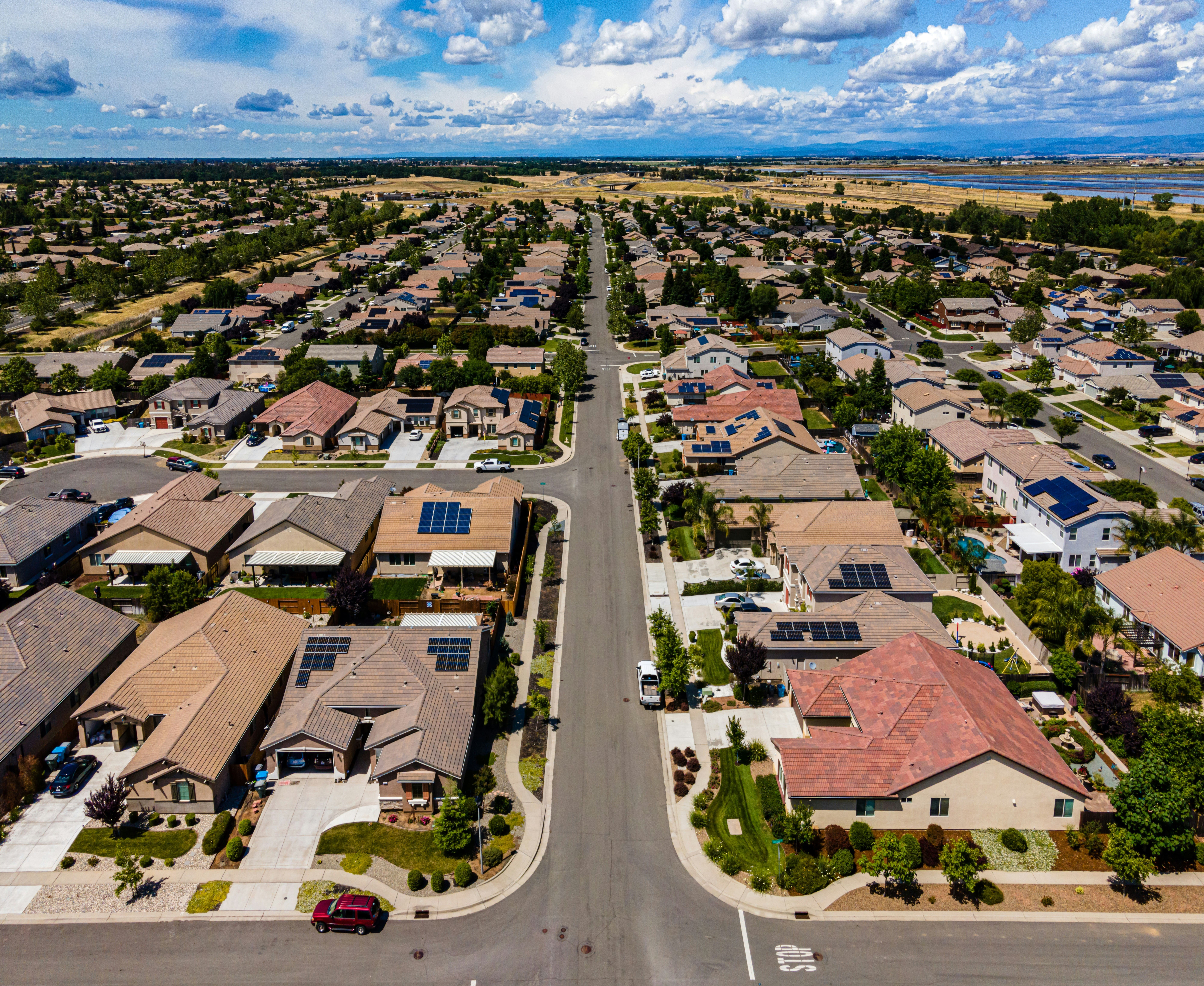
The Willow Glen Scenario: $250K to $2.5 Million
Imagine a scenario where parents purchased a classic ranch-style home in San Jose’s Willow Glen neighborhood back in 1985 for $250,000. Over the decades, Silicon Valley’s housing boom drove the home’s fair market value to $2,500,000 at the time of the surviving parent’s passing.
When the heirs decide to sell the home shortly after inheriting it, two completely separate tax bodies step into the picture:
| 1. California Assessor (Prop 13 / Prop 19) | 2. IRS & CA FTB Income Tax (Capital Gains) |
| Governs: ANNUAL Property Taxes | Governs: PROFIT TAX when the home is sold |
| Mechanic: Reassesses taxable value upon transfer | Mechanic: Uses Stepped-Up Basis to calculate gain |
1. The Property Tax Side: Prop 13 & Prop 19
Under Proposition 13, the parents enjoyed locked-in property tax increases capped at 2% per year, keeping their annual tax bill low.
However, under Proposition 19:
-
If the heirs do not make the home their primary residence within one year, the property is fully reassessed to its $2,500,000 market value for annual property taxes.
-
If an heir does move in, Prop 19 allows a tax exclusion up to the original factored base value plus an inflation-adjusted cap ($1,044,586 for 2025–2027 transfers), resulting in a partial reassessment.
While Prop 19 determines what the annual property tax bill will be, it has zero impact on income taxes when selling the home.
2. The Income Tax Side: IRS “Stepped-Up Basis”
When selling real estate, capital gains tax is paid on the profit—the difference between the home’s tax basis and its final sale price.
Without a Date-of-Death Appraisal (Gifting or Miscalculated Basis)
If the property had been gifted during the parents’ lifetime instead of inherited at death, the children would retain the original 1985 purchase basis of $250,000 (plus improvements).
Selling the home for $2,500,000 would trigger a taxable capital gain of $2,250,000:
| Tax Type | Rate | Taxable Amount | Tax Liability |
| Federal Capital Gains Tax | 20% | $2,250,000 | $450,000 |
| Net Investment Income Tax (NIIT) | 3.8% | $2,250,000 | $85,500 |
| CA State Income Tax (FTB) | 13.3% | $2,250,000 | $299,250 |
| Total Combined Tax Burden | ~37.1% | $2,250,000 | $834,750 |
With a Date-of-Death Appraisal (Stepped-Up Basis)
Under Internal Revenue Code § 1014, inherited property receives a “step-up” in basis to the Fair Market Value (FMV) on the exact date of the decedent’s passing.
By commissioning a certified, independent retrospective appraisal that establishes the market value at $2,500,000 on the date of death:
When the home sells for $2,500,000, the capital gains tax owed to both the IRS and the California Franchise Tax Board drops to $0—saving the estate over $830,000 in taxes.
Why a Formal Appraisal Is Required (Not a Zestimate)
The IRS and the Santa Clara County Probate Court require documented proof of fair market value as of the date of death.
-
Automated Valuation Models (AVMs): Online home value estimates are systematically rejected during IRS audits because they lack verified comparable sales adjustments and physical property inspections.
-
Comparative Market Analyses (CMAs): Informal real estate agent pricing estimates lack the USPAP compliance required for tax filings.
-
Retrospective Expertise: A licensed appraiser analyzes historical market data, historical MLS records, micro-market conditions in Willow Glen, and zoning variables from the exact month and year of death.
Navigating estate distribution, Prop 19 compliance, and IRS tax valuations requires accurate, defensible valuation reports from experienced local professionals. Whether you are an estate attorney, CPA, trustee, or inheriting beneficiary in San Jose or the greater Bay Area, securing a formal date-of-death appraisal is the single most effective step to protect your legacy and minimize tax liability. Reach out to Pacific Appraisers today to schedule a consultation with our local valuation team for all your estate, probate, and tax appraisal needs.