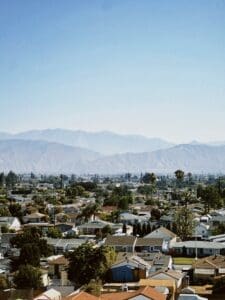
What Impacts Property Values in San Jose?

If you own property, or you’re thinking about buying or selling, understanding what drives property values is a must. Appraisals play a critical role in real estate transactions, refinancing, and even tax assessments. But what exactly influences how much a home is worth in this unique and competitive market?

Let’s break down the key factors that shape property values in San Jose and how appraisers evaluate them.

1. Location Still Reigns Supreme

Not all neighborhoods are the same. Proximity to major employers, commuter routes, and desirable school districts can significantly boost a home’s value. Properties near tech campuses, public transit, or vibrant downtown areas tend to command higher prices.

Even within the same zip code, micro-location matters: quiet streets, views, and nearby amenities like parks or shopping centers can all tip the scale.

2. Market Conditions and Demand

San Jose’s housing market is famously dynamic. The most significant driver of San Jose property values is the chronic lack of supply. In early 2026, inventory has remained tight, often hovering below a one-month supply. The explanation is simple: when demand outpaces supply, home values rise. Conversely, shifts in interest rates, economic uncertainty, or changes in the tech sector can cool demand and impact appraisals.

We are seeing a shift toward “Selective Leverage.” While turnkey homes in prime spots still command multiple offers, homes with “fixable” issues (dated kitchens, old HVAC) are seeing more price sensitivity. In a high-value market, “move-in ready” is currently carrying a significant premium in the eyes of an appraiser.

Appraisers look at recent comparable sales (often called “comps”) to determine value, so if nearby homes have sold for high prices recently, that will influence your appraisal. San Jose has many different neighborhoods with a varying range of home values, so there is a big emphasis on micro-location.

3. Property Size and Usable Space

Square footage matters, but usability is just as important. Open floor plans, functional layouts, and additional living spaces (like ADUs or finished basements) can increase value.

In San Jose, where space is at a premium, even small additions like a home office or outdoor living area can make a noticeable difference

4. Condition and Upgrades

A well-maintained home will almost always appraise higher than one in need of repairs. Updated kitchens, modern bathrooms, energy-efficient systems, and quality materials all contribute positively.

However, not all upgrades yield equal returns. High-end renovations may not fully recoup their cost if they exceed neighborhood norms. Appraisers consider whether improvements align with the surrounding market.

5. School District Quality

Homes located within highly rated school districts often carry a premium, even for buyers without children. In San Jose, this factor can significantly influence property values and buyer competition.

6. Lot Size and Land Value

In many parts of San Jose, land value is a major component of overall property worth. Larger lots, corner properties, or parcels with development potential (such as the ability to add units) can drive higher appraisals.

7. Zoning and Future Potential

A major shift in 2026 is the city’s push for “Missing Middle” housing which include duplexes, triplexes, and fourplexes. San Jose has been aggressively updating its General Plan to incentivize these builds.

If your property is in a neighborhood recently rezoned for higher density, its highest and best use might have changed. An appraiser isn’t just looking at your house as it stands; they are looking at its potential for an ADU (Accessory Dwelling Unit) or conversion, which can significantly bolster the land value.

8. External Factors

Things outside your control also play a role. These include:

  • Noise levels (proximity to highways or airports)
  • Environmental risks (flood zones, wildfire risk)
  • Neighborhood trends and curb appeal
  • Local infrastructure projects or planned developments

Appraisers take these into account when assessing overall desirability.

9. Comparable Sales (The Backbone of Appraisals)

At the core of every appraisal are comparable sales: recently sold properties with similar characteristics. Appraisers adjust for differences in size, condition, and features to arrive at a fair market value.

In a fast-moving market like San Jose, even sales from a few months ago can feel outdated, which makes this step both critical and nuanced.

Final Thoughts

Property values in San Jose are shaped by a mix of tangible features, market forces, and future potential. While you can’t control everything, understanding these factors can help you make smarter decisions, whether you’re preparing to sell, refinance, or invest.

If you’re aiming to maximize your home’s value, focus on what you can influence: maintenance, strategic upgrades, and presentation. And remember, an appraisal is more than a number. It’s a snapshot of how your property fits into the broader market at a specific moment in time.

Curious how your property might appraise in today’s market? Connect with a local expert at Pacific Appraisers who understands the nuances of San Jose real estate.

Do Renovations Always Increase Home Value?

Considering renovating your home? You’ve probably wondered, “will this renovation increase my home value?” It’s a valid question, and one without a simple “yes” or “no” answer. While some renovations can significantly impact your property’s value, others might offer a minimal return on investment (ROI).

Let’s explore the reality of renovations and home value, providing you with a clearer understanding of what to expect and which projects might yield the best results.

The Problem: Not All Renovations Are Created Equal

The common misconception is that any upgrade automatically boosts your home’s worth. This couldn’t be further from the truth. The key is to understand that buyers are willing to pay for renovations that they value. What one homeowner considers a necessary improvement, another might see as unnecessary or even a deterrent.

For instance, a luxurious spa bathroom with a steam shower might be your dream, but for a family with young children, a practical and durable bathroom might be more appealing.

The Truth About Home Value After Renovation

So, when can you expect a significant increase in home value? Here are a few key factors:

Location, Location, Location!

Your location plays a major role in how renovations are perceived. What might be popular and valuable in one neighborhood might not be as desirable in another. For example, a swimming pool could be a huge asset in a warm climate with a lot of outdoor living space, but it might be considered a liability and a maintenance burden in a colder climate.

The Quality of Work Matters

The saying “you get what you pay for” holds true for home renovations. Low-quality work, even with high-end materials, can actually decrease your home value. Buyers are astute and will notice poor craftsmanship, cheap fixtures, and faulty installations.

For example, a poorly installed hardwood floor can squeak and warp, making potential buyers question the quality of the rest of the renovation.

Functionality Over Aesthetics

While looks are important, functionality often takes precedence for buyers. A well-designed, functional kitchen with plenty of storage and counter space will usually add more value than a kitchen with expensive appliances but a poor layout. Think about how a potential buyer would use the space and whether the renovation enhances that use.

The Power of a Professional Appraisal

Before you begin any major renovation, consider getting a professional appraisal. An appraiser can give you an objective assessment of your home’s current value and advise you on which renovations are most likely to provide a good return on investment in your specific market. This can save you from making costly mistakes and help you make informed decisions about where to spend your money.

Which Renovations Offer the Best ROI?

While every home and market is different, here are some renovations that generally offer a good ROI:

  • Kitchen Remodel: The kitchen is often the heart of the home and a focal point for buyers. Updated cabinets, counter tops, appliances, and lighting can significantly increase your home value.

  • Bathroom Renovation: New fixtures, tiles, flooring, and lighting in your bathrooms can make a huge impact.

  • Adding a Bedroom or Bathroom: Increasing the number of bedrooms and bathrooms can broaden your pool of potential buyers and increase your home’s value.

  • Energy-Efficient Upgrades: Windows, doors, insulation, and energy-efficient appliances can save you money on utilities and attract environmentally conscious buyers.

  • Curb Appeal Enhancements: Simple changes like landscaping, painting, and replacing the front door can make a big first impression on potential buyers.

Avoid These Renovation Pitfalls

While the potential for increased home value is exciting, be mindful of these common mistakes:

  • Over-Personalizing: Avoid renovations that are highly specific to your personal taste. Stick with neutral colors and classic styles that will appeal to a wider range of buyers.

  • Neglecting Maintenance: Don’t ignore basic maintenance tasks like roof repairs, plumbing issues, and HVAC maintenance. These are essential for maintaining your home value and preventing more costly problems in the long run.

  • Starting Without a Budget: It’s easy for renovation costs to spiral out of control. Create a realistic budget before you start and try to stick to it.

  • Skipping Permits: Neglecting to get the necessary permits for your renovation can lead to problems when you go to sell your home.

By carefully planning and executing your home renovations, you can potentially increase your home value and make it more attractive to future buyers. Ready to know if your renovations are worth it? A professional appraiser from Pacific Appraisers can help you determine the value of your renovations. Contact us today for a consultation and valuation.

Maximizing Value with Fractional Interest Appraisals

The San Francisco Bay Area real estate market continues to be a focal point of immense capital and unique ownership structures. From Los Gatos luxury estates to multi-family assets in the Mission District, many high-value properties are not held by a single individual but are divided among family members, trusts, or investment partners. When it comes time for estate planning, gifting, or a buyout, a common question arises: Is a 25% interest in a $10 million property actually worth $2.5 million? In the eyes of the IRS and the open market, the answer is almost always no. This discrepancy is the foundation of a fractional interest appraisal, a specialized valuation process that can provide significant tax advantages and strategic clarity.

The Logic of the Fractional Interest Discount

The core principle behind a fractional interest appraisal is that the “sum of the parts” does not always equal the whole. If you own a 50% interest in a San Francisco commercial building, you do not have the same rights as a 100% owner. You cannot easily pledge the entire property as collateral for a loan, nor can you force a sale without potential legal hurdles like a partition lawsuit.

These limitations create a “diminution in value.” To account for this, specialized appraisers apply two primary types of discounts:

  1. Discount for Lack of Control (DLOC): This reflects the inability of a minority owner to set policy, appoint management, or determine the timing of a sale or distribution.

  2. Discount for Lack of Marketability (DLOM): This accounts for the difficulty and time required to find a buyer for a partial interest compared to the ease of selling the property in its entirety.

In a high-velocity market like the Bay Area, where single-family home inventory has hit historic lows in early 2026 and bidding wars are common, the “marketability” of a partial interest remains restricted. Buyers are looking for control and immediate utility, making minority shares even less attractive to the general public.

Why “Big Box” Appraisals Fail in Complex Markets

Many property owners make the mistake of using a generic appraisal or an Automated Valuation Model (AVM) commonly used by Zillow or LoopNet for fractional interests. However, these tools are designed for 100% fee simple interests and lack the sophisticated methodology required to withstand an IRS audit or a legal challenge.

A complex market like the Bay Area is characterized by extreme nuances. For instance, the valuation of a partial interest in a luxury condo must consider the rising HOA fees and specific building reserves that impact a minority holder’s cash flow differently than a majority owner. Similarly, in places like Cupertino or Redwood City, where homes are frequently selling for above asking price, an appraiser must determine if that competitive premium applies equally to a non-controlling interest.

Strategic Consulting for Buyouts and Dissolutions

Beyond tax planning, fractional interest appraisals are essential for partnership dissolutions or “friendly” buyouts among family members. In these scenarios, an independent, third-party valuation prevents conflict and ensures a fair exit price for all parties.

With the Bay Area’s rental market rebounding strongly in 2026, income-producing properties are seeing renewed interest. A minority partner in a multi-family building may want to be “cashed out” to pursue other investments. Having a professional appraisal that identifies the appropriate market discount ensures the transaction is equitable and defensible to all stakeholders.

Conclusion: Partnering with Pacific Appraisers

A fractional interest appraisal is a powerful tool for wealth preservation and strategic real estate management, but only if it is executed with precision and local authority. In a market as dynamic and high-stakes as the San Francisco Bay Area, relying on anything less than a certified, local expert is a significant risk.

Pacific Appraisers brings decades of experience and a data-driven approach to every assignment. We understand the specific levers that drive value in Northern California. Our objective, unbiased valuations provide the clarity needed to navigate the complexities of partial ownership with confidence. Contact Pacific Appraisers today to discuss your fractional interest appraisal needs.

Valuing Fractional Interests Article – Part 2

Intangible Value in Real Estate Partnerships

Intangible value is attributed to the buyer and seller and is typically where the deal will be struck. Since, all transactions are made at investment value, which is based on the buyer’s and seller’s view of the worth of the investment to themselves.

Valuing Fractional Interests Article – Part 3

The Rapid Rise of Real Estate in Transition Planning:

While an enormous amount of real estate is held through partnerships and other ownership structures, future generations will struggle to preserve family legacies unless transitions provide for management and interest-holder buyouts.

Valuing Fractional Interests Article – Part 1

The Rapid Rise of Real Estate in Transition Planning:

While an enormous amount of real estate is held through partnerships and other ownership structures, future generations will struggle to preserve family legacies unless transitions provide for management and interest-holder buyouts.