The Impact of Home Size on Single-Family Appraisals: Key Factors Explained

When we consider single-family home appraisals, one key factor that stands out is the size of the property itself. Home size plays a significant role in determining its value, influencing both the market appraisal and the perception of worth to potential buyers. Larger homes generally offer more usable space, which can increase their market appeal, while smaller homes may cater to different needs or budgets.

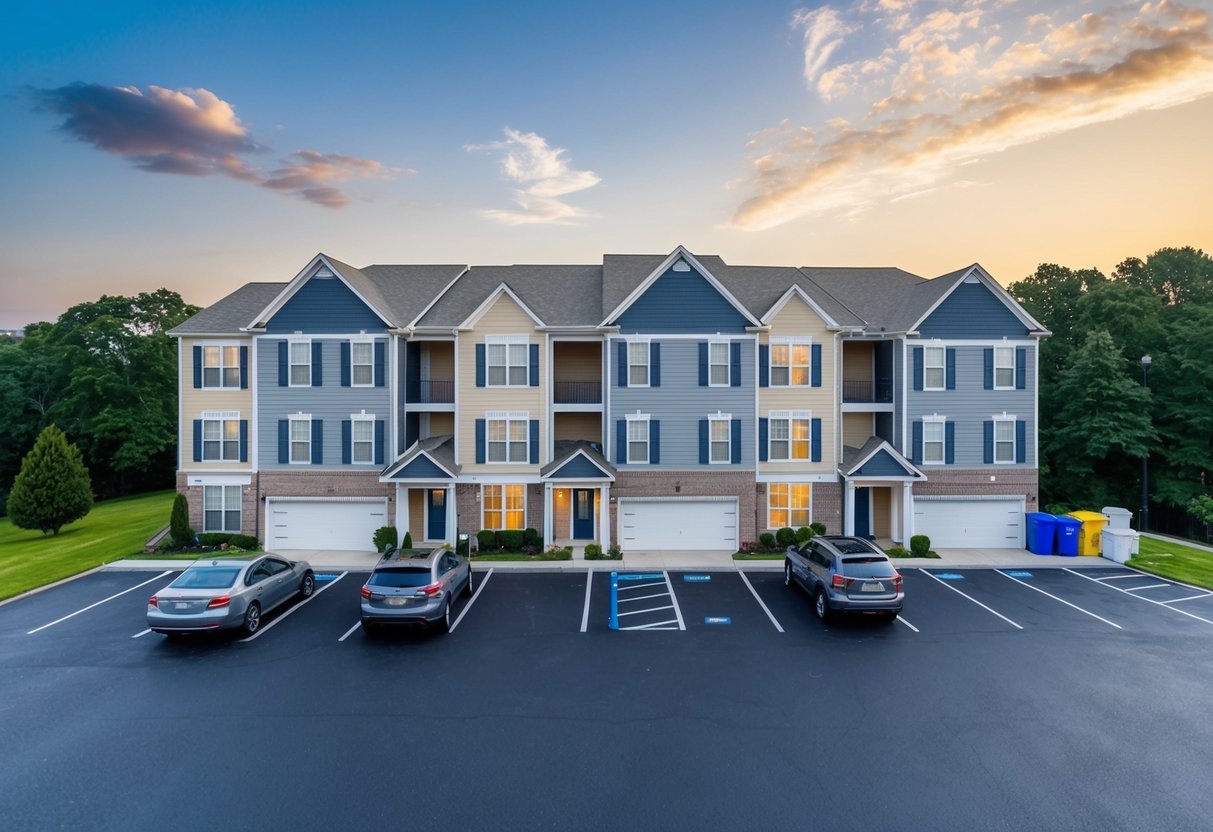
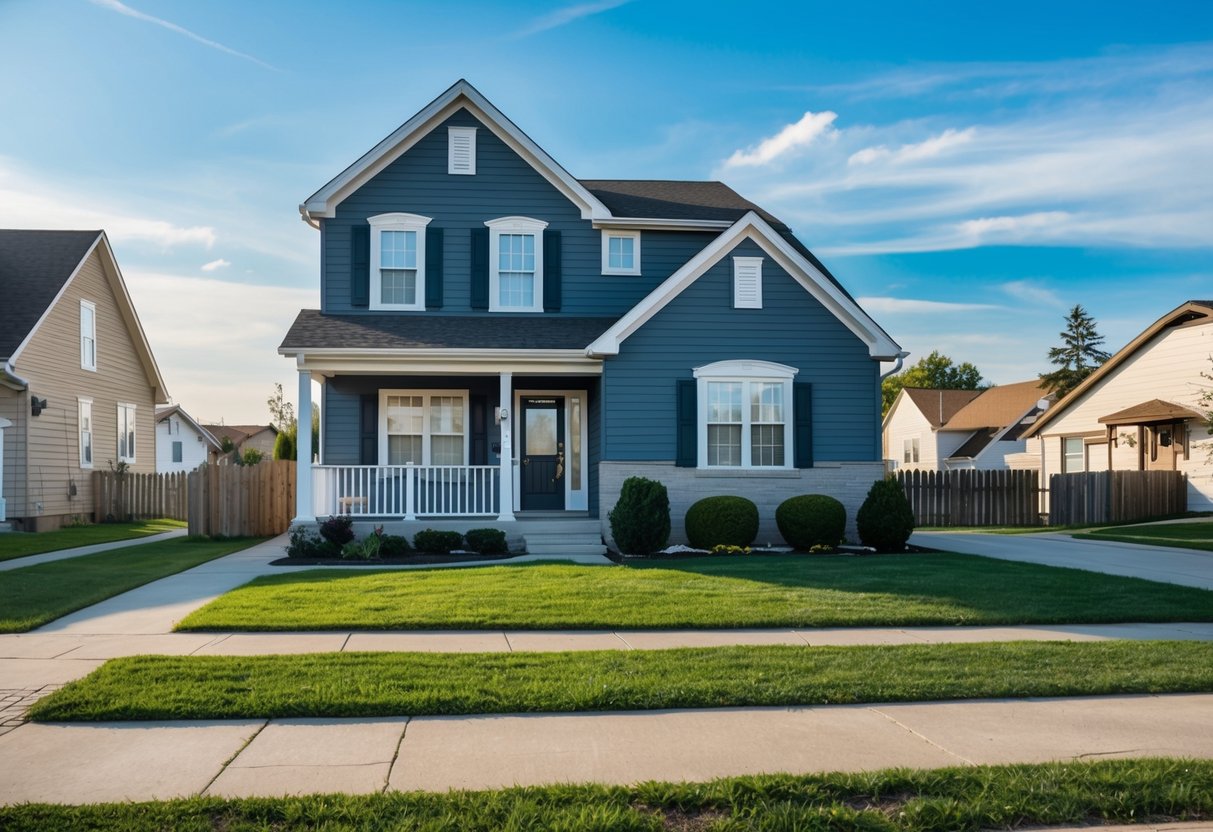
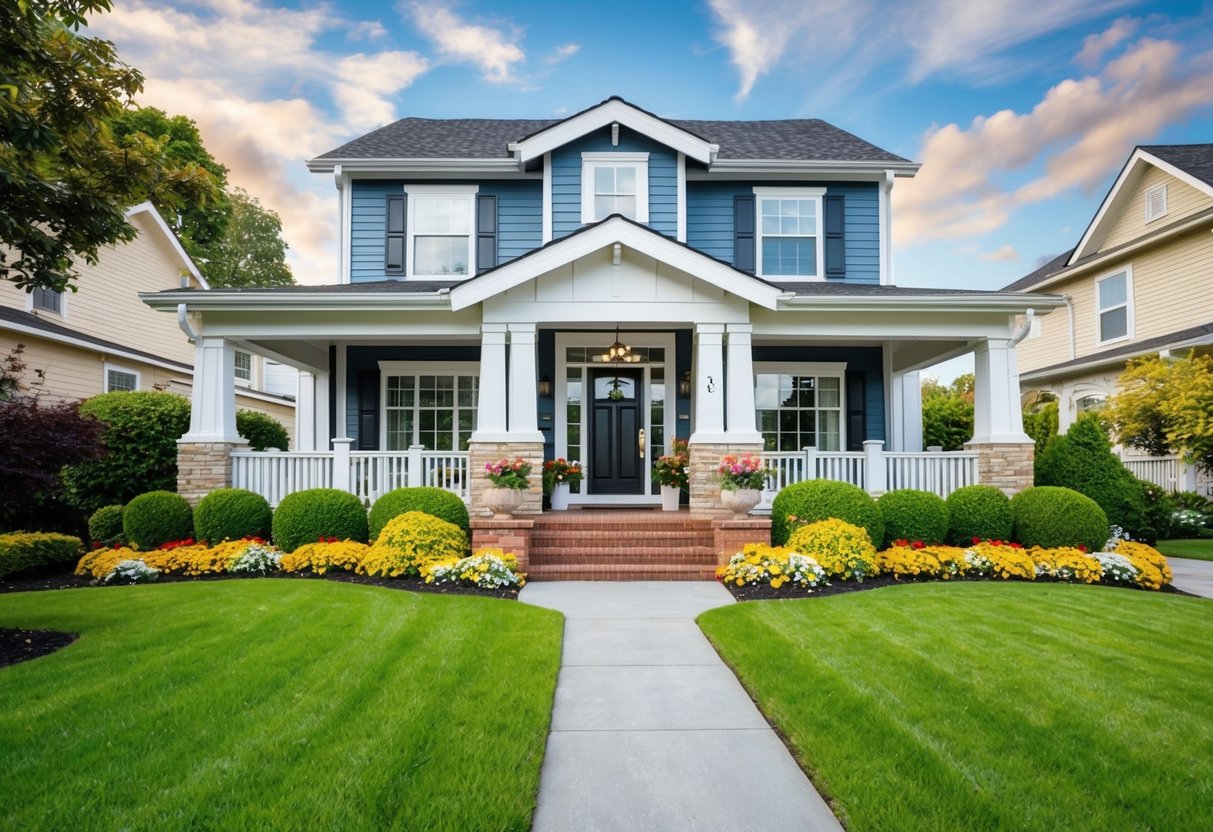
A small, cozy single-family home surrounded by a spacious yard with a garden, a swing set, and a small patio with outdoor furniture

In appraisals, the square footage of a home often directly affects its comparison to nearby properties. Larger homes within a neighborhood can set higher benchmarks, while smaller homes may provide a more affordable option without compromising location. The balance between the size and the quality of construction also matters, as the condition and features must align with the expectations for homes of comparable size in the area.

Understanding Home Size in the Appraisal Process

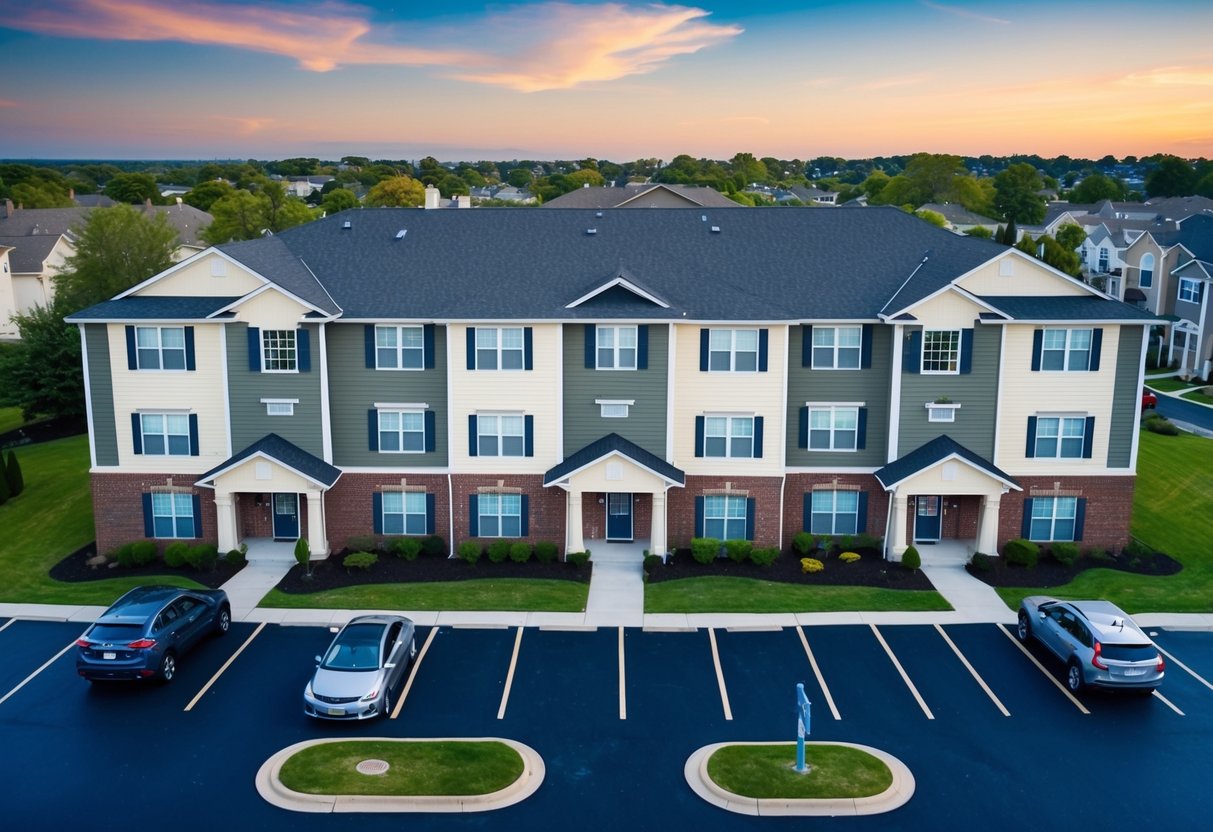
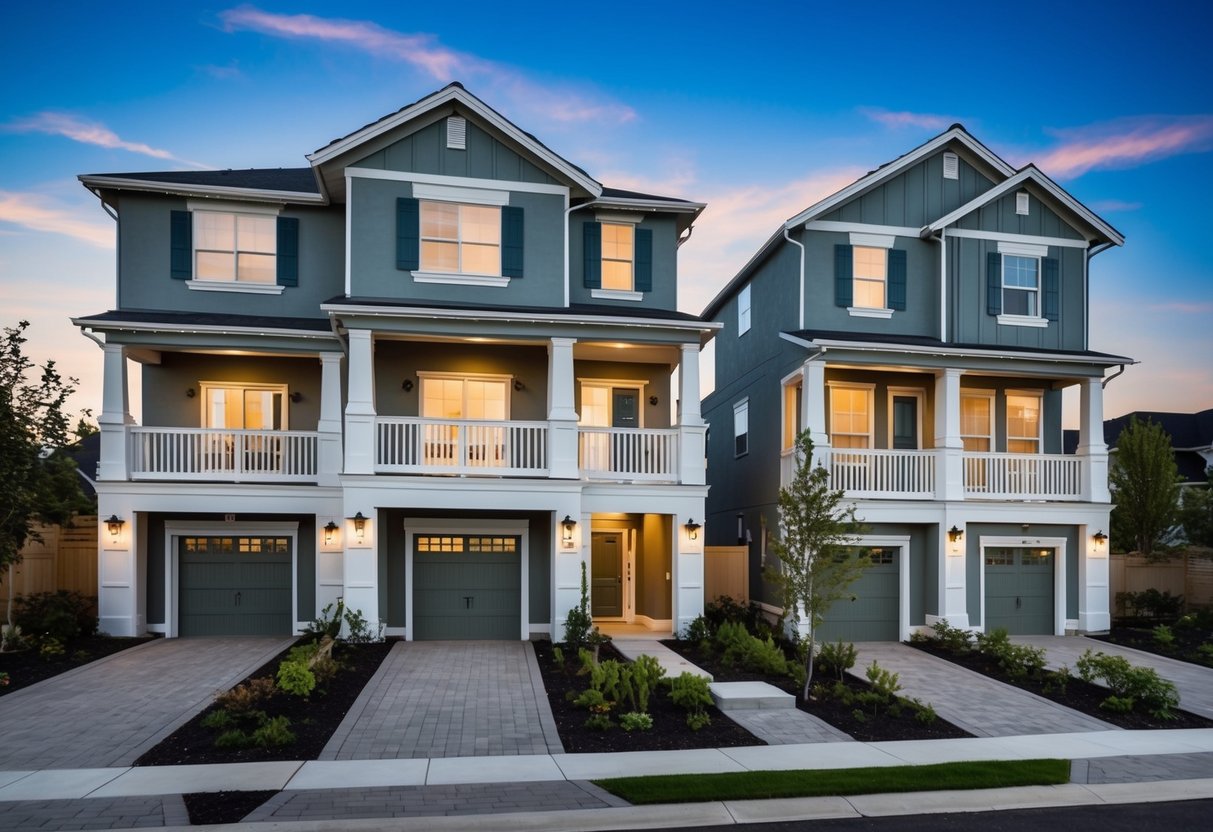
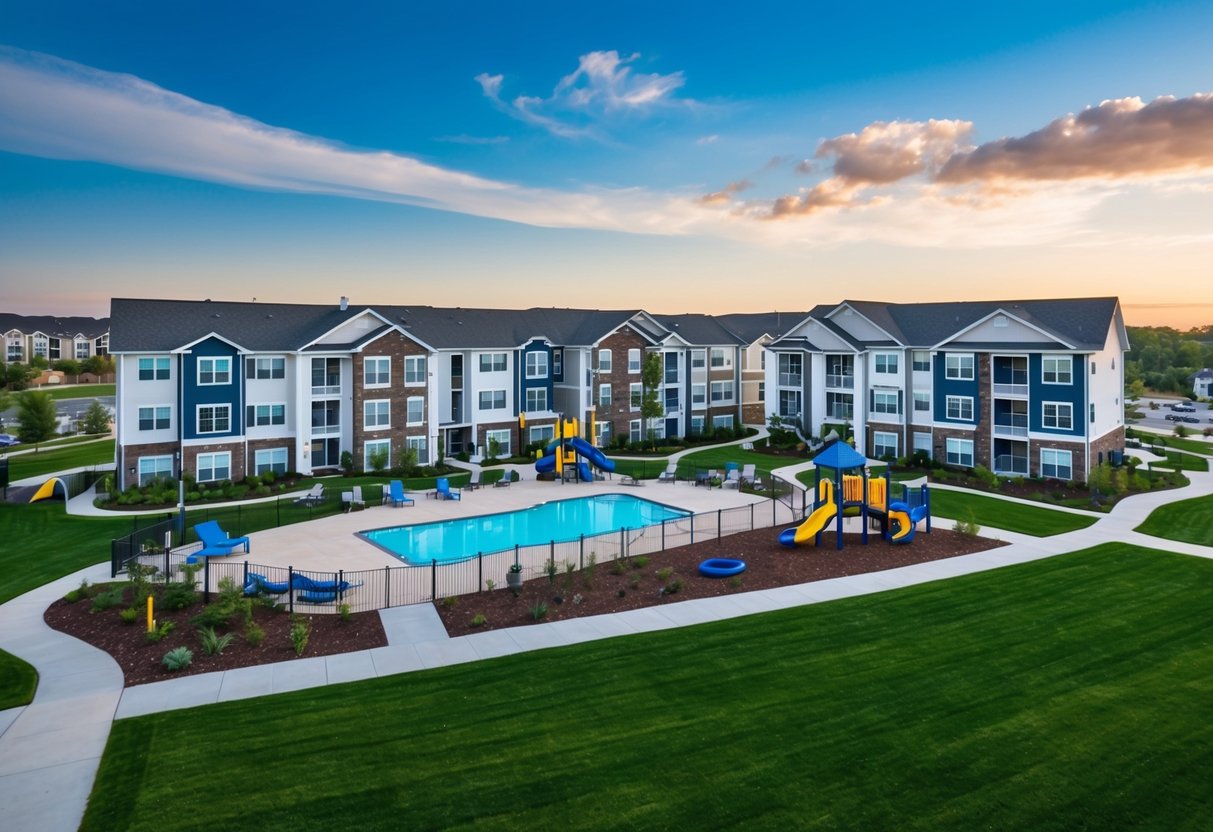
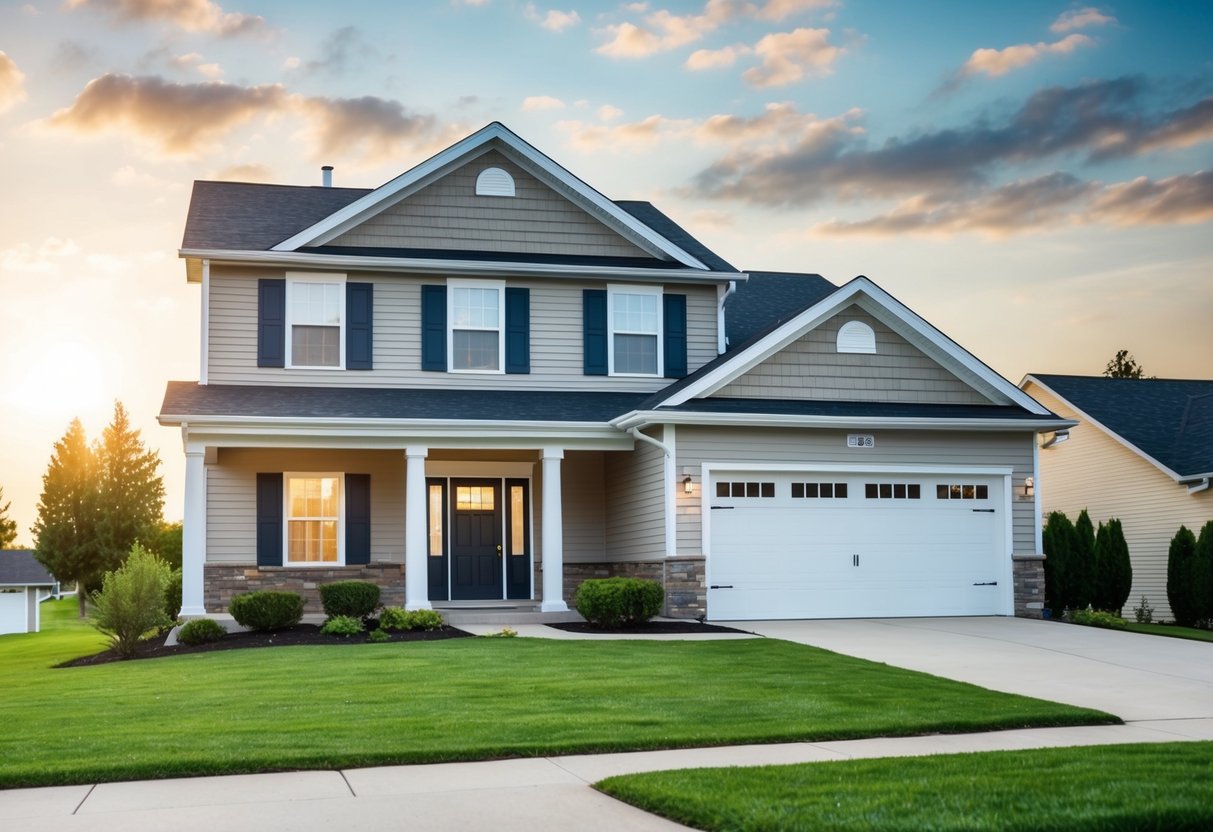
A single-family home with varying sizes surrounded by a neighborhood, with a focus on the different dimensions and layouts of the houses

Home size plays a critical role in determining the appraised value of a single-family property. Factors such as square footage, layout, unique features, and overall property condition are key to this evaluation. Let’s break these elements down further.

Defining Square Footage and Gross Living Area

Square footage refers to the total size of a home, typically measured in square feet. However, not all square footage is treated equally. Appraisers focus on the Gross Living Area (GLA), which includes finished, heated spaces like bedrooms, living rooms, and kitchens.

Basements, garages, and unfinished attics are usually not included in the GLA, even if they add usable space. For an accurate appraisal, we measure spaces consistently and adhere to local guidelines.

Feature Included in GLA? Notes
Bedrooms Yes Must be finished and livable
Kitchens Yes Central to the home’s main footprint
Basements No* Generally excluded unless finished
Garages No Not counted as part of the GLA

(*Some exceptions may apply for finished basements depending on regional practices.)

Floor Plans and Unique Features

A well-designed floor plan can enhance how the square footage is perceived. Open layouts, efficient room placement, and natural light can increase a home’s appeal, even if the GLA remains unchanged.

We must also account for unique features, such as vaulted ceilings or custom-built spaces. These elements may add value by differentiating a property from others in the same market. However, standard appraisal forms may require additional documentation to justify their impact on value.

Examples of Unique Features:

  • Skylights
  • Bay windows
  • Built-in shelving
  • Home theaters

Assessing Property Condition

The condition of a property significantly influences its appraised value. Two homes with identical GLA and floor plans can vary in value due to differences in upkeep and quality of materials.

We evaluate physical condition across several areas, including:

  • Structural integrity (foundation, roof, etc.)
  • Cosmetic updates (paint, flooring, fixtures)
  • Systems functionality (plumbing, electrical, HVAC)

Homes in excellent condition often command higher appraisals than those needing significant repairs, even if the square footage and layout remain the same. For this reason, maintaining a property plays a direct role in preserving its market value.

How Home Size Influences Appraised Value

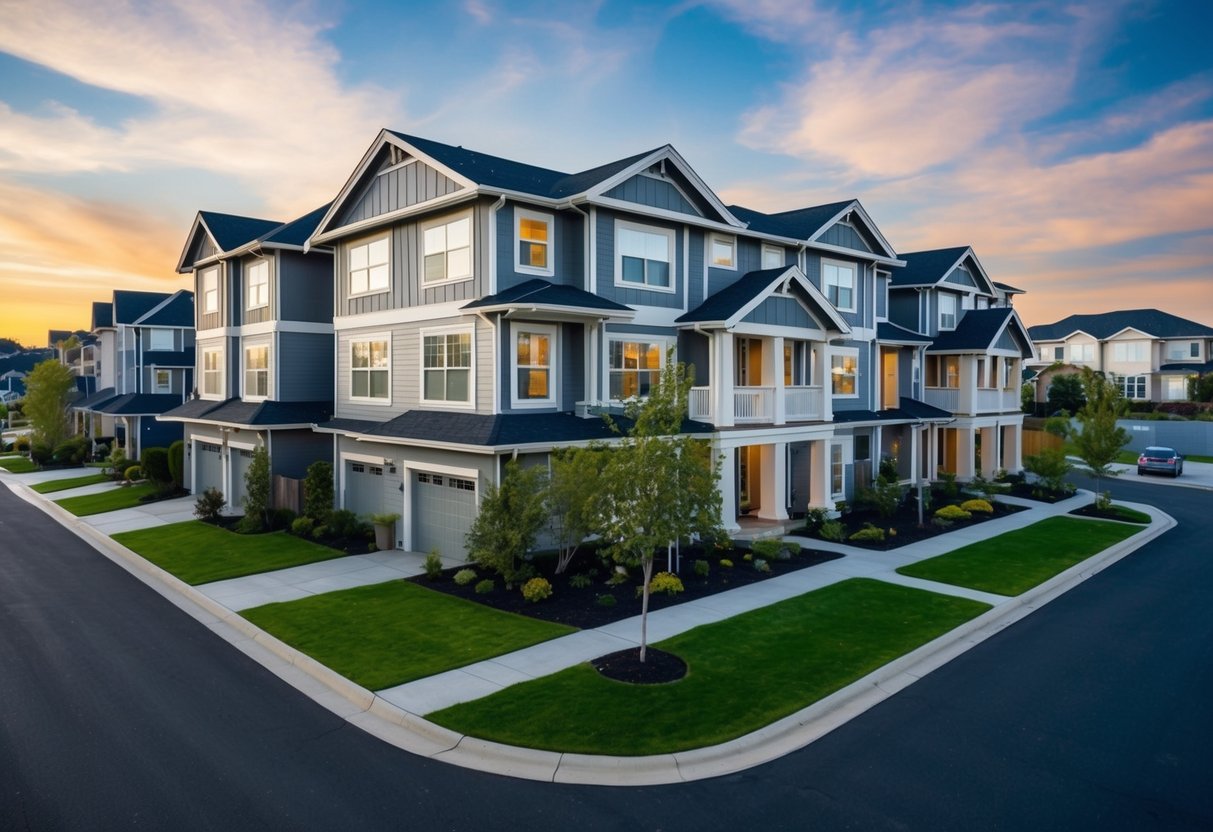
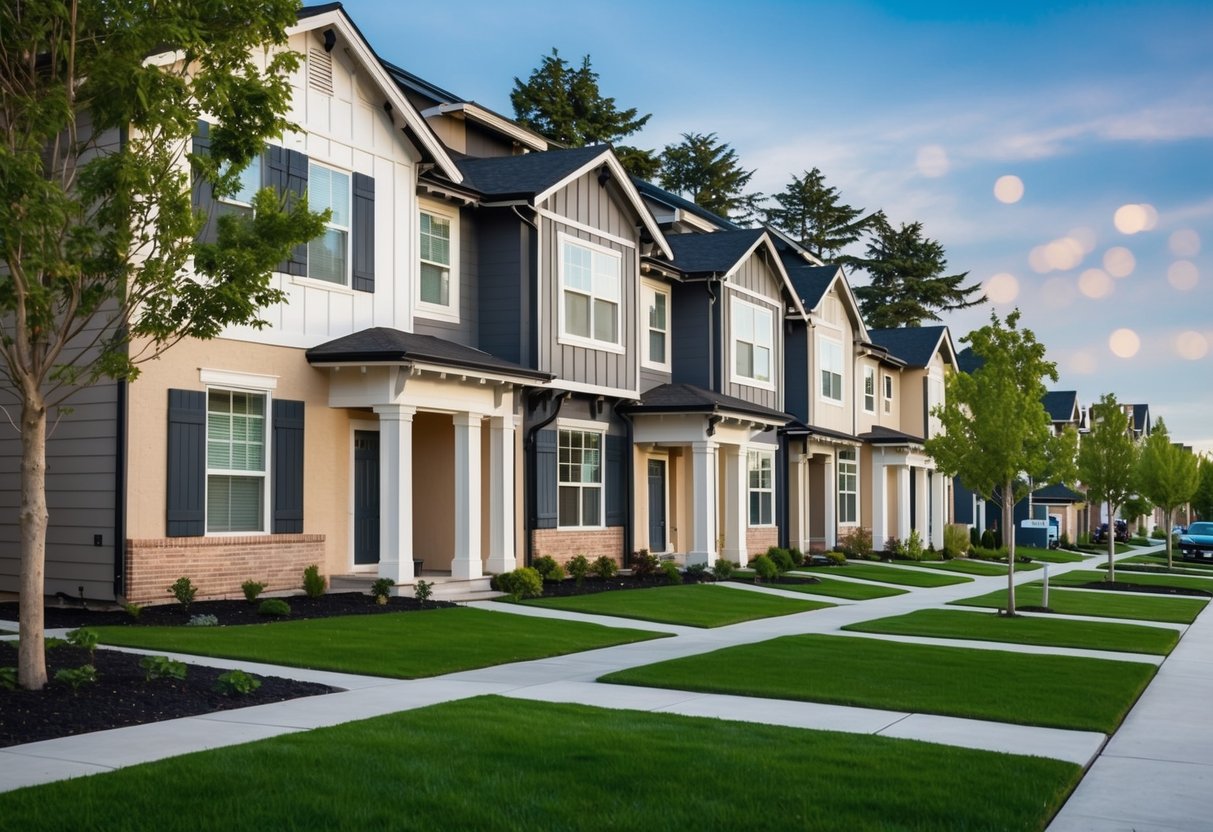
A series of single-family homes of varying sizes, from small to large, lined up in a neighborhood setting, with a focus on the differences in their dimensions and layouts

Home size plays a critical role in determining appraised value, as it directly impacts both market perceptions and professional valuation methods. Larger or smaller homes often affect how properties are compared and evaluated during the appraisal process.

Impacts on Market Value and Property Value

The square footage of a home is a key factor in establishing its market value and property value. Buyers typically associate larger homes with higher prices due to the increased space and functionality. Smaller homes, on the other hand, may appeal to those seeking affordability, thus influencing their valuation differently.

In real estate appraisals, professional appraisers assess the usable living area, which excludes non-livable spaces like garages or basements. This measurement ensures an accurate appraisal of the property.

Home Feature Impact on Value
Large Living Areas Higher market attractiveness
Smaller Homes Lower costs and practicality

Comparing Similar Properties and Comparable Sales

When valuing a property, we rely heavily on comparable properties and comparable sales. Larger homes are compared to other similarly sized properties to maintain consistency in appraisal values. Factors such as room count, floor plans, and lot size are used to identify suitable comparisons.

For example, a 2,500-square-foot home is typically estimated based on sales prices of other homes with similar sizes and features in the same area. These comparable homes set the benchmark for determining the appraised value.

Key Metrics Used in Comparisons:

  • Square footage
  • Number of bedrooms and bathrooms
  • Lot dimensions

Valuation Methods Used by Professional Appraisers

Professional appraisers often use specific valuation methods to measure the impact of home size on appraisal values. The sales comparison approach compares a home to recently sold comparable sales. Home size is adjusted by adding or subtracting value based on differences.

Another method is the cost approach, where the appraiser evaluates the cost to rebuild a property of the same size. Larger homes might incur higher construction costs, which raise their property value as part of this calculation.

Lastly, the income approach focuses on rental potential for larger spaces, though this is less common in single-family residential appraisals. Each method ensures a more precise evaluation in alignment with the established appraisal process.

Factors Affecting Appraisals Beyond Home Size

When determining the value of a single-family home, factors like market conditions, property condition, and lender requirements play critical roles. These variables interact to shape an appraisal report, often impacting the final valuation significantly.

Market Conditions and Real Estate Trends

The state of the real estate market heavily influences appraisals. When demand for homes is high but supply is low, appraised values often rise. Conversely, in a buyer’s market, where supply outweighs demand, values may decrease.

Key factors affecting market conditions include:

  • Interest rates: Lower rates encourage more buyers, boosting prices.
  • Local trends: Regional job growth or economic downturns affect housing demand.
  • Comparable sales: Recently sold homes in the area (“comps”) guide appraisers in determining fair market value.

We must account for these shifting trends as they provide critical context for what a home is worth at a given time.

Influence of Property Condition and Home Inspection

The physical condition of a property plays a major role in its valuation. A well-maintained home with updated features will typically be appraised higher than one requiring extensive repairs.

Some areas appraisers evaluate include:

  • Structural integrity: The roof, foundation, and other key systems are inspected.
  • Interior/exterior maintenance: Cracked walls, old windows, or peeling paint may reduce value.
  • Home inspection impact: Issues flagged by inspectors can influence the final appraisal report if significant concerns, like plumbing leaks or electrical hazards, are uncovered.

By addressing necessary repairs before the appraisal, homeowners can often improve their property’s valuation.

Role of Mortgage Lenders and Appraisal Requirements

Mortgage lenders have specific criteria that impact how appraisals are conducted. Most lenders require appraisals to ensure the loan amount doesn’t exceed the home’s market value.

Lender requirements may include:

  • Using certified appraisers to meet industry standards.
  • Verifying that the property meets safety and habitability guidelines.
  • Assessing risks, such as whether the property is in a flood zone or other high-risk area.

Lenders rely on the appraisal report to protect their investment and guide loan decisions, making this factor crucial for both buyers and sellers.

Regulations, Costs, and Consumer Considerations

When evaluating the impact of home size on single-family appraisals, it’s important to examine the financial implications, regulatory frameworks, and key factors that consumers should consider. Understanding these elements allows us to navigate the complexities of real estate transactions with greater confidence.

Appraisal Costs and the Appraisal Gap

The cost of an appraisal typically ranges between $300 and $600, depending on the property’s location and complexity. Larger or unique homes may incur higher fees due to the additional time and expertise required from the licensed appraiser.

An appraisal gap occurs when the appraised value of a home comes in lower than the sale price. This gap can create challenges for buyers, as mortgage lenders base loans on the fair market value rather than the agreed sale price. Options to address this include renegotiating the price, making a larger down payment, or exploring a second appraisal.

For buyers and sellers, accurate appraisals ensure appraisal contingencies are met, avoiding unnecessary hurdles during the transaction process.

Federal Guidelines and Appraiser Independence

Appraiser independence is protected by federal regulations such as the Dodd-Frank Act and the Home Valuation Code of Conduct (HVCC). These rules limit conflicts of interest by separating lenders from direct involvement in appraiser selection. They also promote appraisal quality, ensuring reliable and unbiased home valuations.

The Federal Housing Finance Agency (FHFA), along with entities like Fannie Mae and Freddie Mac, provides additional oversight to standardize appraisal processes. These policies safeguard fair practices and reduce inconsistencies in valuation.

The Bureau of Consumer Financial Protection (CFPB) plays a critical role in monitoring compliance, giving us confidence that mortgage lending aligns with consumer protection norms.

Refinancing, Closing Costs, and Informed Decisions

Refinancing a mortgage depends heavily on the loan-to-value ratio, which is influenced by the home’s appraised value. A favorable ratio can help secure better interest rates and terms. However, borrowers should be mindful of closing costs, including fees for the appraisal, which are part of overall refinancing expenses.

It’s crucial to make informed decisions by analyzing all financial factors, such as credit history and the expected benefits of refinancing. Exploring a reconsideration of value with the appraiser might be necessary if discrepancies in the initial valuation are noted.

By staying aware of these considerations, we can minimize risks during refinancing and achieve financial goals more effectively.

Frequently Asked Questions

Our focus here is understanding how the size of a home influences its appraisal value and what specific factors appraisers take into account during evaluations.

How does the square footage of a home influence its appraisal value?

Square footage is a key factor in determining value. Larger homes usually appraise for higher amounts, as they offer more usable space, but other considerations like layout and functionality play a role as well.

What elements are included in a standard home appraisal checklist that might affect the appraisal?

Appraisers examine features such as the home’s structural integrity, energy efficiency, number of rooms, and overall condition. Comparable sales from the neighborhood are also weighed heavily.

In what ways can a property’s cleanliness have an impact on the appraisal process?

While cleanliness does not directly affect the appraised value, a well-maintained appearance can leave a positive impression. Messy or cluttered spaces might create concerns about upkeep.

Which unexpected factors could potentially decrease a home’s value during an appraisal?

Issues such as outdated fixtures, poorly executed renovations, or unpermitted additions can lower the appraisal value. Nearby environmental concerns or zoning changes might also have an impact.

How significant is the size adjustment when determining a home’s appraisal value?

Size adjustments account for differences in square footage between the subject property and comparable homes. These adjustments ensure fair evaluations based on market trends and local standards.

What should homeowners avoid mentioning or showing to an appraiser to maintain property value?

We should avoid highlighting defects or unfinished projects that might raise red flags. It’s also wise not to overshare personal intentions for selling, as it’s irrelevant to the appraisal process.

Key Elements in Evaluating Single-Family Properties: Essential Insights for Smart Investments

Evaluating single-family properties requires a careful look at several important factors. We need to assess the location, as it often has the biggest impact on value. Features such as nearby schools, job opportunities, and local amenities can significantly influence demand for the property. It’s also important to consider the neighborhood’s overall condition and safety, as these details shape how appealing the property will be to future buyers or renters.

We must also examine the property itself. The size, layout, and condition of the home matter when determining its potential. Structural aspects like the roof, foundation, and HVAC systems can reveal hidden costs or necessary repairs. By focusing on both the property details and the surrounding area, we can make a more informed decision about the value and future of the home.

Core Criteria for Evaluating Single-Family Properties

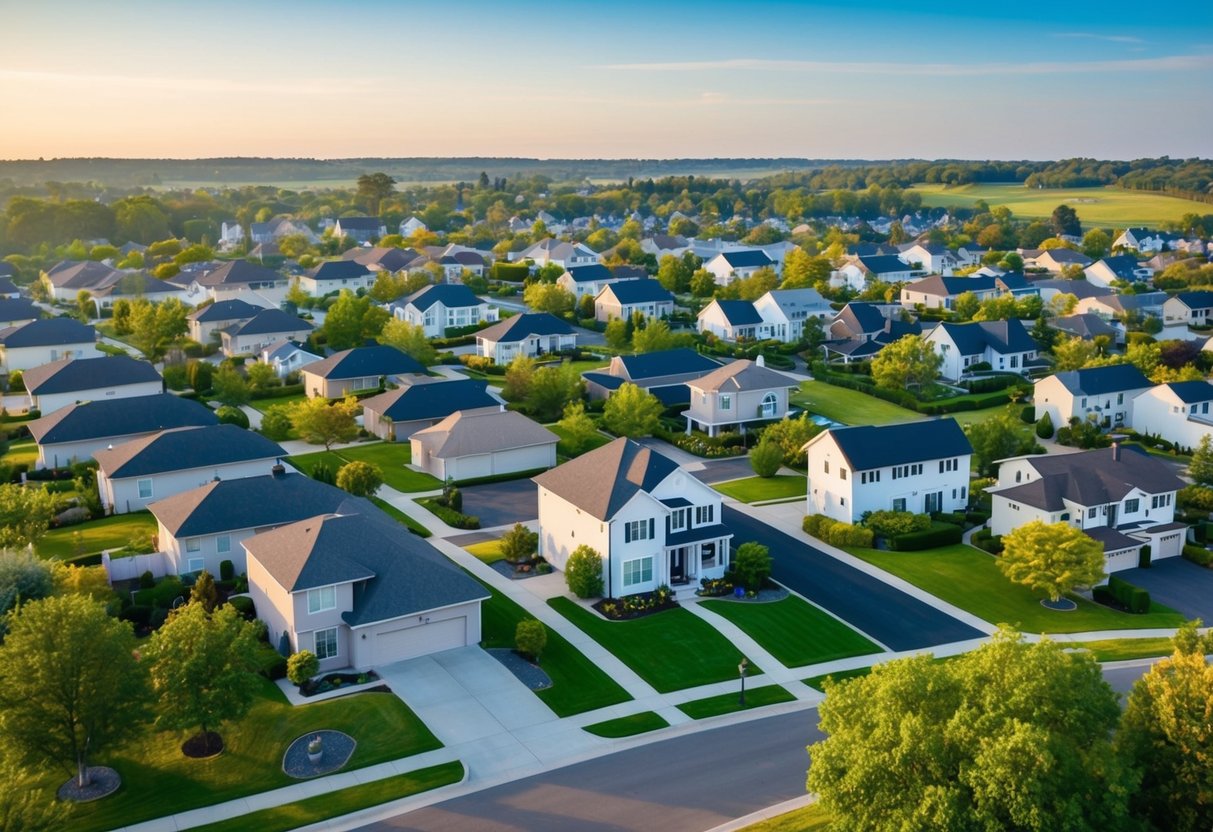
A suburban neighborhood with well-maintained single-family homes, featuring spacious yards, driveways, and various architectural styles

When evaluating single-family properties, it’s essential to focus on key aspects, including the property’s market value, location, and physical condition. Each factor plays a critical role in determining whether the property is a sound investment or fit for residential use.

Property Value Assessment

Understanding a property’s market value is a cornerstone of real estate evaluation. We conduct detailed market research and analyze comparable sales to estimate its appraisal value. This includes reviewing similar properties recently sold in the area to ensure the price aligns with current market trends.

Working with a qualified appraiser can add accuracy to the process, and it’s important to factor in both demand and supply in the local market. Such analysis ensures we account for economic shifts that might affect long-term appreciation or stability.

Location and Neighborhood Factors

The property’s location significantly impacts its desirability and investment potential. Access to essentials such as schools, public utilities, shopping centers, and transportation is vital. We also evaluate the neighborhood’s overall safety, community features, and growth prospects.

A market analysis helps us examine local economic factors driving demand. High-demand areas often yield better rental and resale opportunities, making them attractive for single-family homes and other residential properties.

Physical Condition and Maintenance

Assessing the property’s physical condition helps us anticipate potential repair or maintenance costs. We evaluate key structural components such as the roof, foundation, plumbing, and electrical systems.

Properties with poor maintenance can lower property valuation, especially if major systems aren’t functioning properly. Regular upkeep extends the utility and life of a home, making it a more secure choice for investment or occupancy.

Financial Performance and Investment Metrics

When assessing single-family properties, we need to focus on how well the asset performs financially. Key factors include income generation, expense management, and long-term growth potential. Let’s explore these crucial metrics.

Rental Income and Cash Flow Analysis

Understanding rental income is vital. We calculate rental income by evaluating the property’s expected monthly rent and comparing it to similar properties in the market. High rental demand in the area strengthens a property’s income potential, reducing risks associated with tenant turnover.

Cash flow is calculated as:
Cash Flow = Rental Income – Expenses (e.g., mortgage, property management, maintenance, taxes, insurance).

Positive cash flow indicates the property generates more income than it costs to own and operate. Consistent and rising rental income can increase long-term profitability and offset unpredictable expenses.

Key expenses to track:

  • Mortgage payments (principal and interest)
  • Property management fees (optional but common for rental properties)
  • Repairs and maintenance
  • Property taxes and insurance

Return on Investment and Appreciation Potential

Return on Investment (ROI) gauges how profitable a property is compared to the capital we’ve invested. To calculate:
ROI = (Net Annual Income / Total Investment) × 100%.

For financed properties, we also review the cash-on-cash return, which focuses on the return solely from our cash input, offering a clearer picture of short-term performance.

Real estate offers unique advantages through appreciation, as property values typically rise over time. Assessing the area’s economic growth, infrastructure projects, and job market helps us predict appreciation potential. Depreciation tax benefits further strengthen returns by allowing deductions based on the property’s age and condition.

By carefully balancing current cash flow with long-term appreciation goals, we ensure each single-family property aligns with our investment goals.

Financing and Risk Considerations

When evaluating single-family properties, it’s essential to examine financing options and potential risks. These factors directly impact costs, decision-making, and long-term ownership stability.

Mortgage and Loan Options

Securing the right financing is critical. Mortgage loans are common options for single-family homes, and they come in several types tailored to buyers’ needs. For example, conventional loans often require higher credit scores and larger down payments, while FHA loans offer lower barriers to entry for first-time homebuyers.

For qualified buyers, VA loans provide benefits such as no down payment and competitive interest rates. Investors or buyers looking for short-term funding might consider hard money loans, which typically have faster approval times but higher interest rates.

It’s vital to work closely with a mortgage lender or real estate agent to compare terms, such as interest rates, loan duration, and fees. This ensures that we select a loan option that aligns with our financial goals and property strategies.

Risk Assessment and Insurance

Understanding risks is just as important as securing financing. For example, properties in flood-prone areas might require flood insurance, which can add significant costs. We should evaluate these risks upfront to avoid surprises later.

Insurance plays a key role in mitigating financial risks. It’s essential to consider homeowners insurance coverage and assess specific risks such as fire, theft, or natural disasters.

For those planning to rent out the property, conducting thorough tenant screening helps minimize issues like property damage or missed payments. A detailed risk assessment ensures that we are better prepared to protect our investment in the long run.

Frequently Asked Questions

When evaluating single-family properties, we focus on financial performance, physical attributes, location, and market trends. Understanding these factors helps us make informed decisions and assess potential returns.

What are the key financial metrics to consider when evaluating a single-family rental property?

We prioritize metrics such as cash flow, cap rate, return on investment (ROI), and gross rent multiplier (GRM). These figures give us insight into profitability and help compare different properties.

How does property location affect the valuation of a single-family home?

Location impacts desirability and long-term value. Factors like neighborhood safety, school quality, proximity to amenities, and job markets influence appreciation potential.

What are the most important physical attributes to assess in a single-family property before investing?

We look at the property’s overall condition, age, layout, and features like updated systems or structural integrity. Curb appeal and functional design are also key considerations.

How can I determine the profitability of a potential single-family rental property?

We analyze rental income potential versus expenses. Tools like rental comps, pro forma statements, and yearly operating expenses help forecast profitability.

What are the ongoing expenses to consider when evaluating the cost of ownership for a single-family property?

Ongoing costs include property taxes, insurance, maintenance, repairs, property management fees, and potential homeowner association (HOA) dues. These expenses impact net income.

How do market trends and economic indicators influence the valuation of single-family homes?

Trends like supply and demand, interest rates, employment rates, and population growth affect price stability and appreciation. Monitoring these factors helps us gauge market conditions.

Understanding the Valuation Process for Single-Family Homes: Key Factors Explained

When we’re learning about the valuation process for single-family homes, it’s important to understand how various factors influence a property’s worth. The valuation process helps determine the fair market value, which is essential for both buyers and sellers during a transaction. Knowing what goes into the evaluation can give us a clearer picture of how pricing decisions are made.

We consider several key elements during a home valuation, including location, size, condition, and comparable sales in the area. These factors work together to establish a fair and accurate value. By understanding how each piece fits into the process, we can make better decisions whether we are buying, selling, or investing in single-family homes.

Foundations of Single-Family Home Valuation

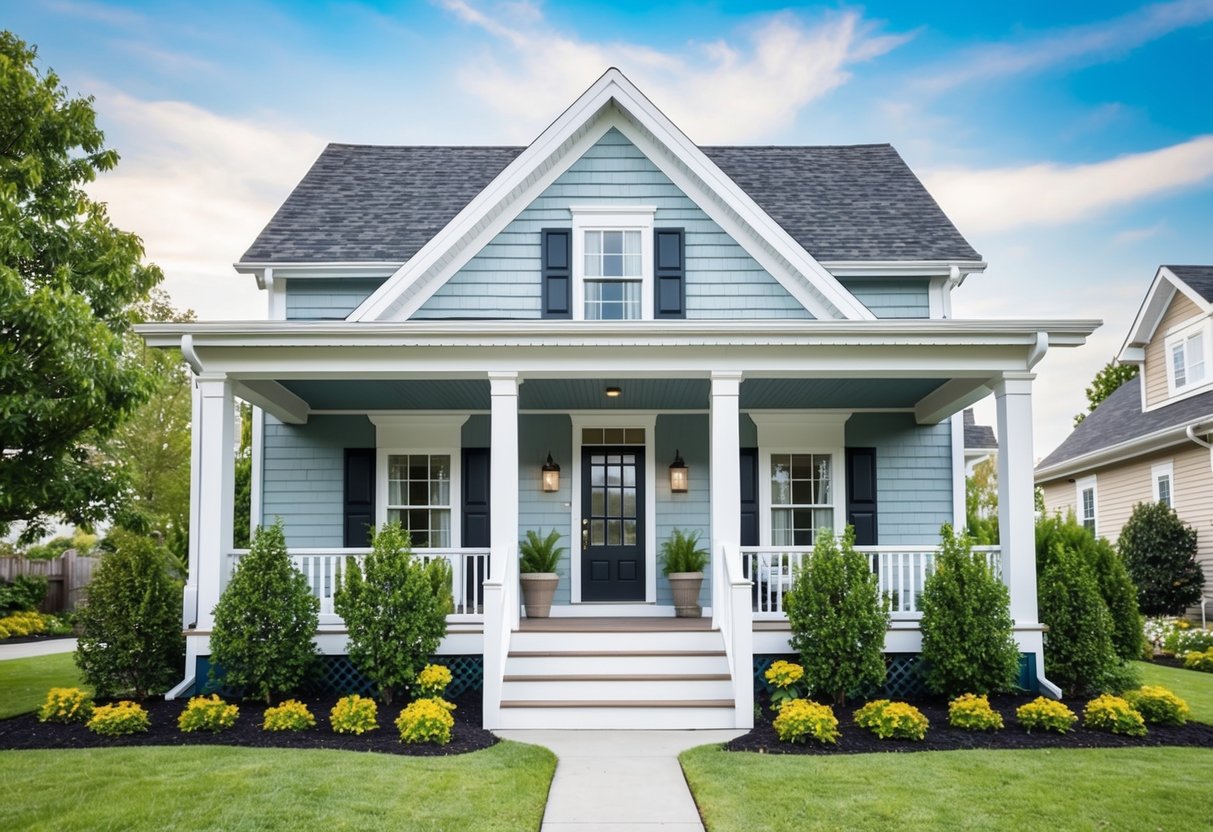
A suburban single-family home with a manicured lawn and a paved driveway, surrounded by trees and shrubs

The valuation of single-family homes is a structured process designed to determine the property’s worth based on specific factors. This helps ensure fair transactions by providing a clear, unbiased view of the property’s value to parties such as lenders, buyers, and owners.

Definition and Purpose of Home Appraisal

A home appraisal is a professional assessment of a property’s value conducted by a licensed appraiser. Appraisals rely on detailed analysis, including the home’s condition, location, and comparable sales in the area.

The primary purpose of an appraisal is to establish an opinion of value that reflects the property’s worth in the current market. This ensures lenders make informed decisions when approving loans, and buyers avoid overpaying for a property.

Core Concepts: Market Value and Fair Market Value

Two important terms often come up during appraisals: market value and fair market value.

  • Market Value: Refers to the most probable selling price of a property under normal conditions.
  • Fair Market Value: This is the price a property would sell for when both the buyer and seller are informed, acting in their best interests, and not under undue pressure.

These values guide transactions, helping everyone involved make decisions based on the property’s realistic worth.

Key Stakeholders: Appraisers, Lenders, and Property Owners

Several key stakeholders play a role in home valuation:

  • Appraisers: They conduct the appraisal and provide an unbiased evaluation of the property.
  • Lenders: Use the appraiser’s findings to determine how much they’re willing to loan based on the home’s value.
  • Property Owners: May order an appraisal to set a fair price before listing the home or to understand their home’s worth.

Each stakeholder relies on the appraisal for different purposes, but they all depend on its accuracy and credibility to guide financial decisions.

The Valuation Process for Single-Family Homes

A single-family home with a real estate appraiser inspecting the exterior and interior, taking notes and measurements, and evaluating the property's condition and amenities

The valuation process for single-family homes requires a detailed approach to ensure that the appraised value is accurate, reliable, and reflects real market conditions. We achieve this by following a standardized method, conducting thorough research, and adjusting for unique property features.

Steps in the Appraisal Process

The appraisal process involves several structured steps designed to produce a fair and consistent property valuation:

  1. Define the Objective: We first clarify the purpose of the appraisal, such as for lending, selling, or tax purposes.
  2. Collect and Analyze Information: Data about the property and market is gathered to create a foundation for the valuation.
  3. Apply Valuation Methods: We typically use approaches like the sales comparison method, which compares similar properties in the area (known as comparables).
  4. Prepare the Appraisal Report: The findings are organized into an official document that details the appraised value and supporting information.

Gathering Data: Comparable Properties and Market Research

Research is central to determining a property’s value. We begin by identifying comparable properties (also called “comparables”) in the same market area. These are homes that are similar in size, location, age, and condition.

The market conditions at the time of the appraisal are also critical. This includes analyzing trends in home prices, supply and demand, and any economic factors that could influence the real estate market.

Adjustments for Property Features and Conditions

No two homes are exactly alike, so adjustments must often be made to account for differences between the subject property and the comparables. For instance:

  • A home with a larger lot size may have a higher valuation.
  • Renovations, such as updated kitchens or bathrooms, can significantly impact value.
  • Negative factors, such as deferred maintenance or a less desirable location, may reduce the appraised value.

These adjustments ensure the appraisal reflects a fair and accurate comparison.

Components of the Appraisal Report

The appraisal report is the final product and includes all the essential details of the valuation process:

  • Basic Property Details: Address, size, and property type.
  • Comparable Sales Data: A side-by-side comparison of similar properties, often presented in a table format.
  • Adjustments Summary: A breakdown of how specific features and conditions influenced the final appraised value.
  • Final Appraisal Value: The appraiser’s professional opinion of value, supported by the analysis.

This report serves as an official document used by lenders, buyers, and other stakeholders to make informed decisions. It must be thorough and transparent to inspire confidence in its findings.

Valuation Methods and Approaches

When evaluating single-family homes, we rely on proven methods designed to establish an accurate value. These approaches consider factors like market comparisons, construction costs, and potential rental income to provide a comprehensive assessment of a property’s worth.

Sales Comparison Approach

The sales comparison approach bases the valuation on recent sale prices of comparable properties, often referred to as “comps.” These properties should be similar in terms of size, location, and features.

We use comparative market analysis (CMA) tools to identify relevant comps, adjusting for differences like upgrades, lot size, or extra amenities. This method reflects current market trends and is widely used for single-family homes.

Example Factors Adjusted in Comparisons:

Feature Adjustment Example
Square Footage Larger home = higher value
Updated Kitchen Renovated = higher value
Location Prime area = higher price

This approach is both straightforward and market-driven.

Cost Approach

The cost approach estimates value based on the replacement cost of the structure, including labor and materials.

We calculate the cost of rebuilding the home today, factoring in building materials, soft costs like permits, and labor. Depreciation is deducted, and land value is added separately.

Key Steps in the Cost Approach:

  1. Determine replacement cost (materials, labor).
  2. Account for physical depreciation or wear and tear.
  3. Include the land value as determined by market conditions.

This method is useful for newly constructed homes or when comparable sales data is limited.

Income Capitalization Approach

The income capitalization approach evaluates a property based on its ability to generate rental income.

For single-family homes, this method uses the direct capitalization formula, dividing the net operating income (NOI) by a market-driven capitalization rate.

Value = NOI / Cap Rate

We focus on rental potential to calculate the net income, considering expenses like maintenance and property taxes. While less common for owner-occupied homes, it’s vital for investment-focused properties.

Factors Influencing Home Value and Appraisal Outcomes

When determining the value of a single-family home, several factors come into play, ranging from market trends and economic conditions to the physical condition of the property. Each aspect plays a role in shaping the final appraisal outcome, which impacts decisions like purchases, refinancing, or insurance.

Marketability and Real Estate Market Trends

Marketability refers to how desirable and sellable a home is within the current real estate market. Factors like location, nearby amenities, schools, and overall neighborhood appeal significantly affect a home’s attractiveness.

Real estate market trends shift based on housing demand, interest rates, and the local economy. For example, in a seller’s market, homes may appraise higher due to intense competition, while in a buyer’s market, lower demand can drive values down.

Impact of Economic Factors and Supply and Demand

Economic factors such as job growth, inflation, interest rates, and consumer confidence strongly influence home values. When the economy is thriving, people are more likely to secure mortgage loans and purchase homes, pushing prices upward.

Supply and demand dynamics are equally crucial. A limited housing inventory with high demand increases property values, while a housing surplus often leads to price reductions. These shifts directly affect independent appraisals and purchase prices.

Depreciation, Obsolescence, and Building Codes

Depreciation is the loss of value over time due to wear and tear. For example, a home with older systems like HVAC or plumbing may appraise lower because of the need for future repairs.

Functional obsolescence occurs when outdated designs or layouts make a property less competitive. Similarly, economic obsolescence, such as being in a declining neighborhood, can reduce value. Additionally, homes that fail to meet updated building codes or safety requirements may face further devaluation.

Special Considerations: Insurance, Refinancing, and Liquidation Value

When estimating insurance coverage, appraisals help set the right insurance premium by determining the cost to rebuild the home. For those refinancing, appraised value impacts the size of the new mortgage loan and whether the process is viable.

In cases of liquidation or foreclosure, the liquidation value of a home is often lower than its market value, as it reflects a quick-sale scenario under financial pressure. Ensuring accurate appraisals in these situations is essential for minimizing financial loss.

Frequently Asked Questions

In this section, we address common queries about how single-family homes are valued, focusing on the methods, steps, and tools professionals use to determine accurate property values.

What are the different methods used in real estate valuation?

We commonly rely on three main approaches: the sales comparison method, the income approach, and the cost approach. The sales comparison method involves comparing the subject property to similar recently sold homes. The income approach estimates how much income a property could generate if rented. The cost approach calculates how much it would cost to replace the property, taking depreciation into account.

How is market value determined for a single-family home?

Market value reflects what buyers are willing to pay. We evaluate market trends, demand, and comparable home sales in the area. This ensures the valuation aligns with current real estate conditions and buyer expectations.

What are the key steps in the professional valuation process of a single-family residence?

We collect data about the property, including its size, location, and condition. Then, we analyze comparable sales, assess market conditions, and apply the appropriate valuation method. A detailed report is prepared to communicate findings clearly.

Which appraisal approach is predominantly utilized for single-family homes and why?

The sales comparison approach is the most common. It directly ties the home’s value to recent sales of similar properties, making it practical and closely aligned with actual market behavior.

Can you explain the importance of comparables in the home appraisal process?

Comparables, or “comps,” are essential because they provide concrete examples of what similar homes have sold for. By analyzing comps, we establish a fair and realistic benchmark for the subject property’s value.

How does one calculate the replacement cost in the valuation of a single-family home?

We estimate the cost to rebuild the property using current material and labor prices. Depreciation, due to age or wear, is subtracted to reflect actual value. This approach helps ensure accurate replacement assessments.

Common FHA Real Estate Repair Items

There can be a lot of potential issues that arise during an FHA real estate appraisal inspection. This can be a frustrating experience for a homeowner and real estate agent, as they will typically get feedback from the lender that there are certain items that must be repaired before closing. It is a good idea to be prepared in advance by correcting any of the issues mentioned below before the real estate appraiser performs an FHA inspection. The FHA Appraiser is looking for the following items:

(more…)