
While core factors like square footage and room count always matter, home values on the Monterey Peninsula are heavily driven by unique coastal geography, local climate microclimates, and luxury lifestyle demands.
The primary factors impacting home values in Monterey include the following:
1. The “View Premium” (Water vs. Trees)
In Monterey, two houses with identical layouts built in the same year can have a value gap of hundreds of thousands of dollars based purely on what you see out the window.
- The Ocean View: A sweeping view of Monterey Bay or the Pacific Coastline commands the highest premium. Even a “peek-a-boo” ocean view from a second-story window adds substantial value.
- The Forest and Fairway Views: Properties backing up to Del Monte Forest, mature Monterey Pines, or prestigious golf courses (like those in nearby Pebble Beach) see a major bump in value compared to standard neighborhood views.
2. Microclimates and “The Fog Line”

Locals know that Monterey weather changes neighborhood by neighborhood. The Peninsula is famous for its microclimates, and appraisers and buyers track them closely:
- The Sun vs. Fog Factor: Neighborhoods that sit above the chronic summer fog line (like parts of Monterey Vista or the sunnier hills of Carmel Valley) often command a premium from buyers who prefer warmer temperatures and blue skies.
- The Moisture Factor: Areas deeply blanketed by coastal fog and marine layers experience high humidity. Homes in these heavy fog zones require more exterior upkeep (to fight wood rot and moisture), which can impact their maintenance costs and long-term value.
| Feature | Downtown Monterey | Pacific Grove | Carmel Valley |
| Median Price Tier | Entry-to-Mid ($993K+) | Mid-to-High ($1.3M+) | Premium ($1.5M – $2M+) |
| Primary Draw | Walkability & Culture | Ocean Proximity & Schools | Sunshine, Space & Privacy |
| Prevalent Housing Type | Condos & Small Bungalows | Historic Victorians | Large Ranch Homes & Estates |
| Weather Profile | Mild / Partly Foggy | Chilly / Consistently Foggy | Hot / Sunny |
| Major Appraiser Factor | Proximity to commercial hubs | Historic designation restrictions | High wildfire insurance costs |
3. Historic Preservation and Strict Building Constraints
Monterey highly values its rich history (from California’s first theater to its historic adobes) and its natural coastline. This creates strict regulatory hurdles that limit supply and drive up existing home values:
- The Water Scarcity Challenge: Water allocations are tightly controlled on the Peninsula. Adding a bathroom or building an extension often requires securing scarce water fixtures or credits, making existing homes with ample plumbing already grandfathered in highly valuable.
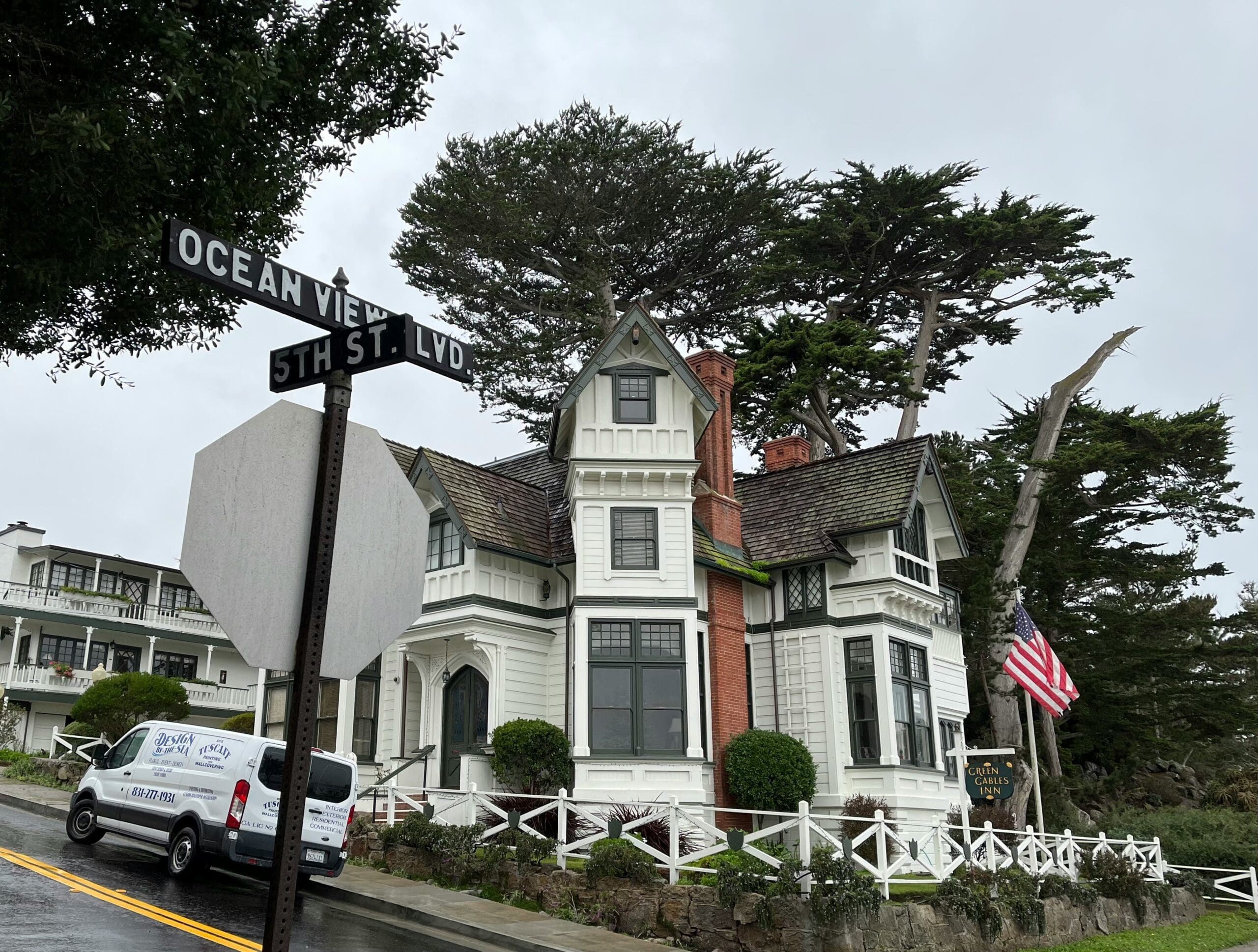
- Historical Overlays: If a home is designated as a historic landmark or sits in a protected architectural district (common in neighboring Pacific Grove and Carmel), renovations face strict design reviews. A beautifully modernized home that managed to navigate these restrictions commands a massive premium.
4. The Second-Home and Tourism Economy
Monterey is a major drive-to destination for affluent buyers from the Silicon Valley and San Francisco Bay Area looking for weekend getaways.
-
Seasonal Peaks: Real estate activity spikes heavily during the summer, fueled by major events like Monterey Car Week and golf tournaments.
- The Luxury Flex: Because a significant portion of the market is comprised of discretionary second-home buyers, home values at the top end of the market are highly sensitive to the performance of the tech sector and the stock market.
The Environmental Reality: Fire and Flood Factors
Modern home valuations in Monterey County must account for climate and environmental risks, which directly affect property insurance availability and costs:
| Environmental Risk | Impact on Monterey County Properties |
| Wildfire Risk | High. Roughly 55% of properties in Monterey County face some wildfire risk over the next 30 years, especially homes nestled in heavily wooded areas or canyon terrain. |
| Flood Risk | Moderate. About 15% of properties face risk from coastal flooding, rising sea levels, or seasonal river flooding. |
The Insurance Echo: Homes in high-risk fire zones may face skyrocketing insurance premiums or require California’s FAIR Plan. Appraisers and buyers increasingly factor these ongoing monthly carrying costs into what they are willing to pay for a property.
The Current 2026 Market Pulse
The Monterey housing market remains highly competitive due to a persistent shortage of inventory. While higher interest rates over the last few years have caused overall prices to stabilize and dip slightly from their absolute historical peaks (down about 3% to 5% year-over-year), homes are still moving fast—averaging just 35 days on the market. Because it is virtually impossible to over-build on the Peninsula, the long-term fundamentals of Monterey real estate remain incredibly resilient.
Professional Real Estate Valuation
The right local expertise makes all the difference when navigating the unique microclimates and property nuances of the Monterey Peninsula. Whether you need a valuation for a home sale, a refinance, or an estate, a certified local appraiser ensures you have an accurate, data-driven look at your property’s true market value. Get in touch with a local expert at Pacific Appraisers today.