
Considering renovating your home? You’ve probably wondered, “will this renovation increase my home value?” It’s a valid question, and one without a simple “yes” or “no” answer. While some renovations can significantly impact your property’s value, others might offer a minimal return on investment (ROI).
Let’s explore the reality of renovations and home value, providing you with a clearer understanding of what to expect and which projects might yield the best results.
The Problem: Not All Renovations Are Created Equal
The common misconception is that any upgrade automatically boosts your home’s worth. This couldn’t be further from the truth. The key is to understand that buyers are willing to pay for renovations that they value. What one homeowner considers a necessary improvement, another might see as unnecessary or even a deterrent.
For instance, a luxurious spa bathroom with a steam shower might be your dream, but for a family with young children, a practical and durable bathroom might be more appealing.
The Truth About Home Value After Renovation
So, when can you expect a significant increase in home value? Here are a few key factors:
Location, Location, Location!
Your location plays a major role in how renovations are perceived. What might be popular and valuable in one neighborhood might not be as desirable in another. For example, a swimming pool could be a huge asset in a warm climate with a lot of outdoor living space, but it might be considered a liability and a maintenance burden in a colder climate.
The Quality of Work Matters
The saying “you get what you pay for” holds true for home renovations. Low-quality work, even with high-end materials, can actually decrease your home value. Buyers are astute and will notice poor craftsmanship, cheap fixtures, and faulty installations.
For example, a poorly installed hardwood floor can squeak and warp, making potential buyers question the quality of the rest of the renovation.
Functionality Over Aesthetics
While looks are important, functionality often takes precedence for buyers. A well-designed, functional kitchen with plenty of storage and counter space will usually add more value than a kitchen with expensive appliances but a poor layout. Think about how a potential buyer would use the space and whether the renovation enhances that use.
The Power of a Professional Appraisal
Before you begin any major renovation, consider getting a professional appraisal. An appraiser can give you an objective assessment of your home’s current value and advise you on which renovations are most likely to provide a good return on investment in your specific market. This can save you from making costly mistakes and help you make informed decisions about where to spend your money.
Which Renovations Offer the Best ROI?
While every home and market is different, here are some renovations that generally offer a good ROI:
-
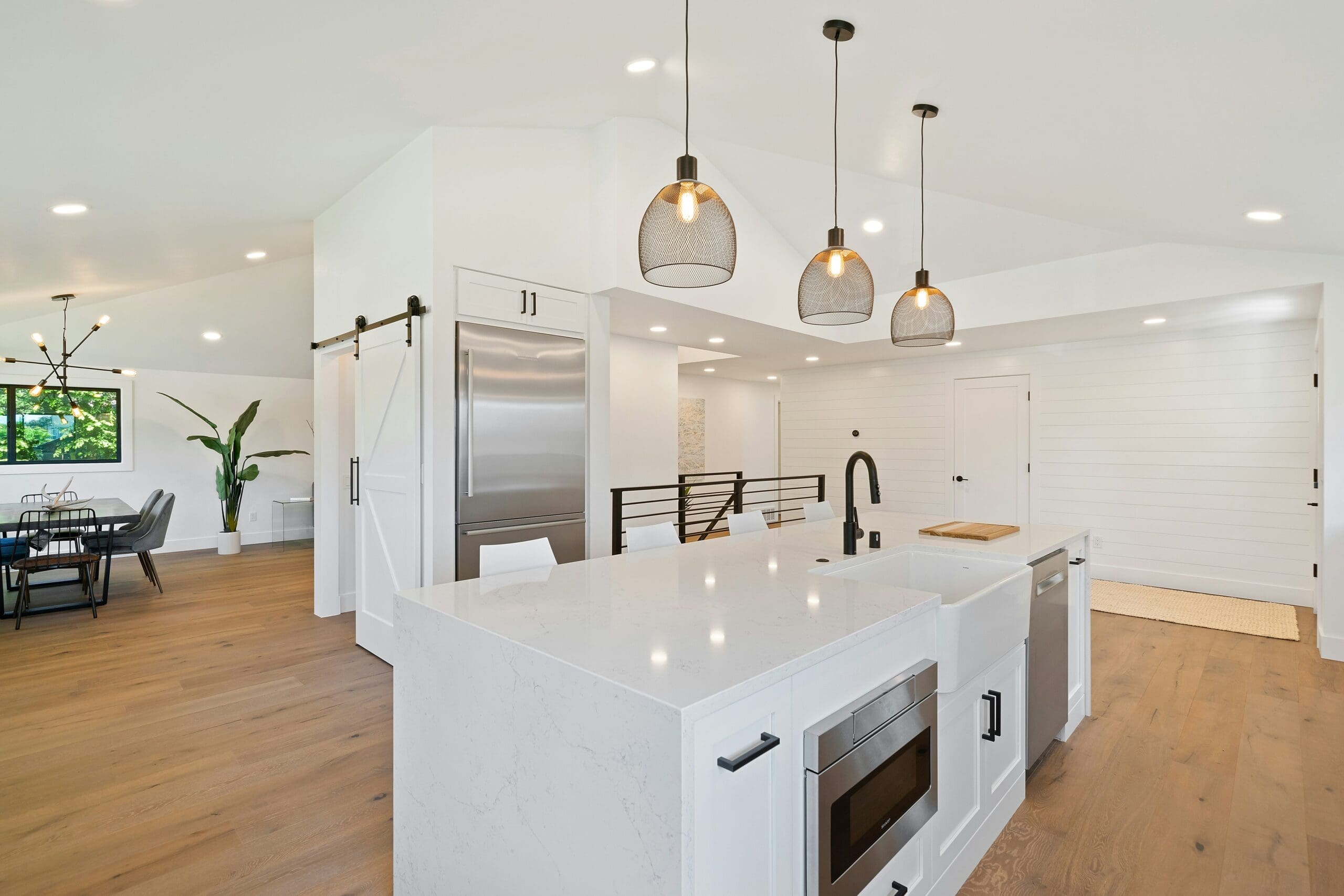
Kitchen Remodel: The kitchen is often the heart of the home and a focal point for buyers. Updated cabinets, counter tops, appliances, and lighting can significantly increase your home value.
-
Bathroom Renovation: New fixtures, tiles, flooring, and lighting in your bathrooms can make a huge impact.
-
Adding a Bedroom or Bathroom: Increasing the number of bedrooms and bathrooms can broaden your pool of potential buyers and increase your home’s value.
-
Energy-Efficient Upgrades: Windows, doors, insulation, and energy-efficient appliances can save you money on utilities and attract environmentally conscious buyers.
-
Curb Appeal Enhancements: Simple changes like landscaping, painting, and replacing the front door can make a big first impression on potential buyers.
Avoid These Renovation Pitfalls
While the potential for increased home value is exciting, be mindful of these common mistakes:
-
Over-Personalizing: Avoid renovations that are highly specific to your personal taste. Stick with neutral colors and classic styles that will appeal to a wider range of buyers.
-
Neglecting Maintenance: Don’t ignore basic maintenance tasks like roof repairs, plumbing issues, and HVAC maintenance. These are essential for maintaining your home value and preventing more costly problems in the long run.
-
Starting Without a Budget: It’s easy for renovation costs to spiral out of control. Create a realistic budget before you start and try to stick to it.
-
Skipping Permits: Neglecting to get the necessary permits for your renovation can lead to problems when you go to sell your home.
By carefully planning and executing your home renovations, you can potentially increase your home value and make it more attractive to future buyers. Ready to know if your renovations are worth it? A professional appraiser from Pacific Appraisers can help you determine the value of your renovations. Contact us today for a consultation and valuation.