
If you own property, or you’re thinking about buying or selling, understanding what drives property values is a must. Appraisals play a critical role in real estate transactions, refinancing, and even tax assessments. But what exactly influences how much a home is worth in this unique and competitive market?
Let’s break down the key factors that shape property values in San Jose and how appraisers evaluate them.
1. Location Still Reigns Supreme
Not all neighborhoods are the same. Proximity to major employers, commuter routes, and desirable school districts can significantly boost a home’s value. Properties near tech campuses, public transit, or vibrant downtown areas tend to command higher prices.
Even within the same zip code, micro-location matters: quiet streets, views, and nearby amenities like parks or shopping centers can all tip the scale.
2. Market Conditions and Demand
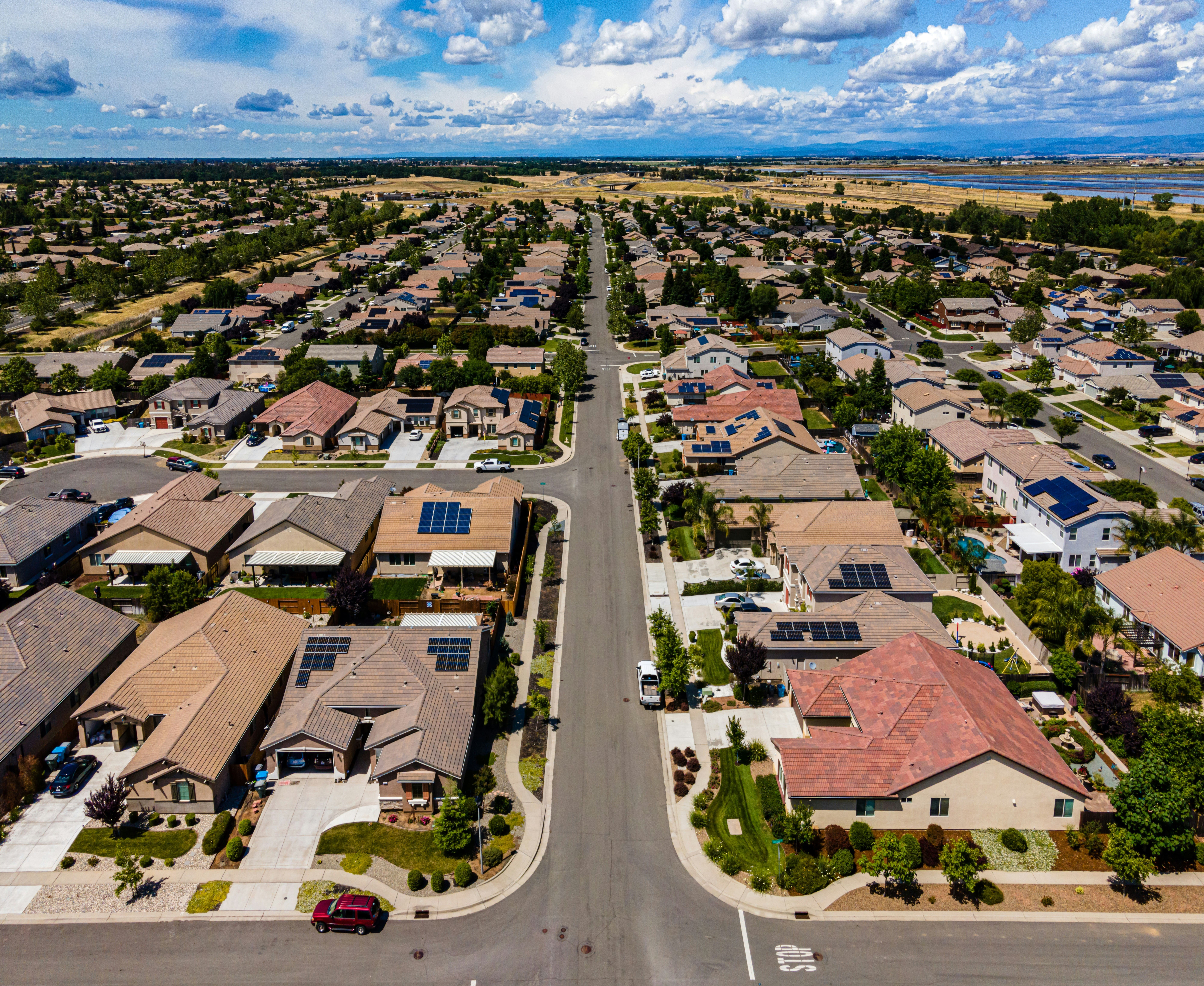
San Jose’s housing market is famously dynamic. The most significant driver of San Jose property values is the chronic lack of supply. In early 2026, inventory has remained tight, often hovering below a one-month supply. The explanation is simple: when demand outpaces supply, home values rise. Conversely, shifts in interest rates, economic uncertainty, or changes in the tech sector can cool demand and impact appraisals.
We are seeing a shift toward “Selective Leverage.” While turnkey homes in prime spots still command multiple offers, homes with “fixable” issues (dated kitchens, old HVAC) are seeing more price sensitivity. In a high-value market, “move-in ready” is currently carrying a significant premium in the eyes of an appraiser.
Appraisers look at recent comparable sales (often called “comps”) to determine value, so if nearby homes have sold for high prices recently, that will influence your appraisal. San Jose has many different neighborhoods with a varying range of home values, so there is a big emphasis on micro-location.
3. Property Size and Usable Space
Square footage matters, but usability is just as important. Open floor plans, functional layouts, and additional living spaces (like ADUs or finished basements) can increase value.
In San Jose, where space is at a premium, even small additions like a home office or outdoor living area can make a noticeable difference
4. Condition and Upgrades
A well-maintained home will almost always appraise higher than one in need of repairs. Updated kitchens, modern bathrooms, energy-efficient systems, and quality materials all contribute positively.
However, not all upgrades yield equal returns. High-end renovations may not fully recoup their cost if they exceed neighborhood norms. Appraisers consider whether improvements align with the surrounding market.
5. School District Quality
Homes located within highly rated school districts often carry a premium, even for buyers without children. In San Jose, this factor can significantly influence property values and buyer competition.

6. Lot Size and Land Value
In many parts of San Jose, land value is a major component of overall property worth. Larger lots, corner properties, or parcels with development potential (such as the ability to add units) can drive higher appraisals.
7. Zoning and Future Potential
A major shift in 2026 is the city’s push for “Missing Middle” housing which include duplexes, triplexes, and fourplexes. San Jose has been aggressively updating its General Plan to incentivize these builds.
If your property is in a neighborhood recently rezoned for higher density, its highest and best use might have changed. An appraiser isn’t just looking at your house as it stands; they are looking at its potential for an ADU (Accessory Dwelling Unit) or conversion, which can significantly bolster the land value.
8. External Factors
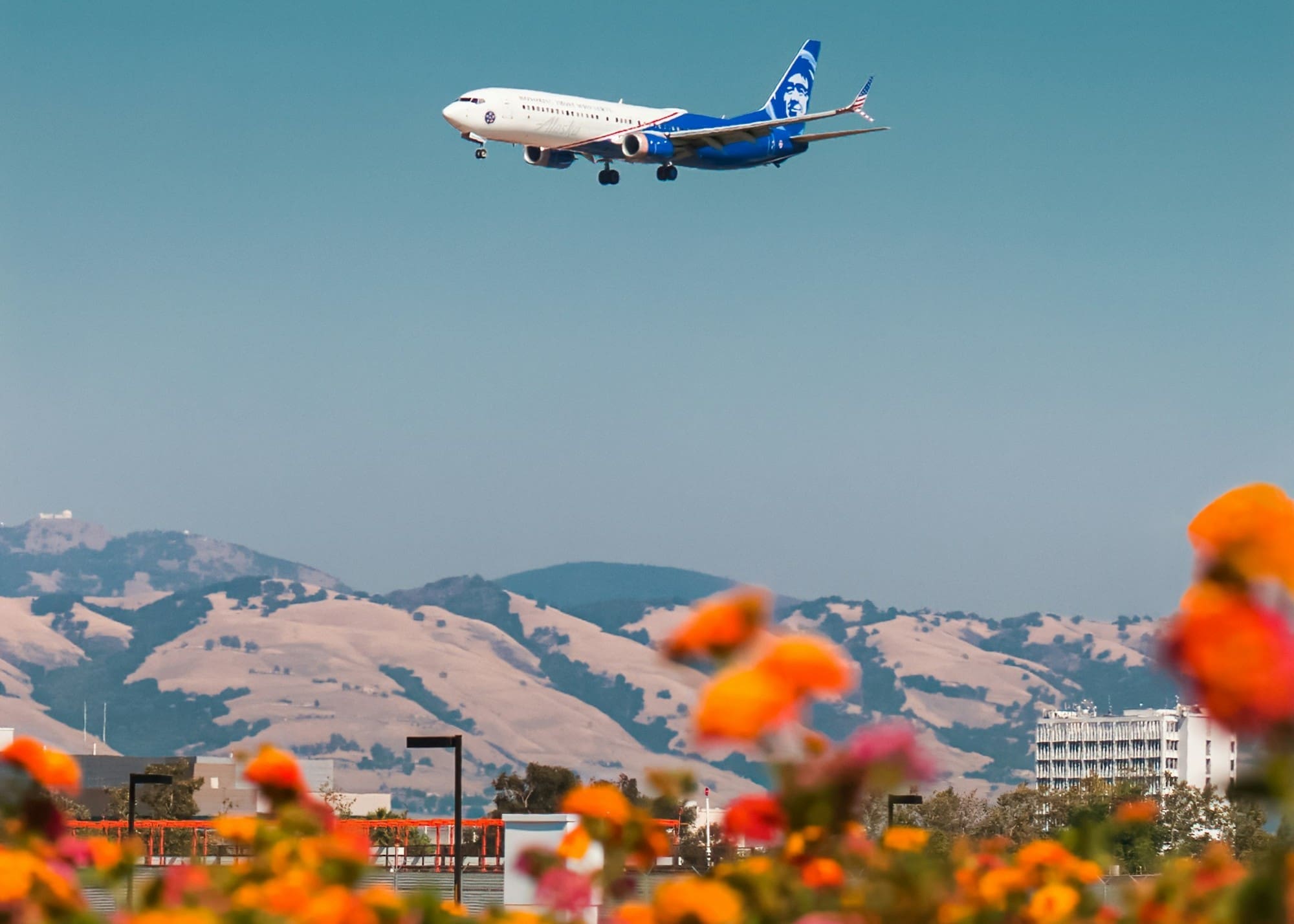
Things outside your control also play a role. These include:
- Noise levels (proximity to highways or airports)
- Environmental risks (flood zones, wildfire risk)
- Neighborhood trends and curb appeal
- Local infrastructure projects or planned developments
Appraisers take these into account when assessing overall desirability.
9. Comparable Sales (The Backbone of Appraisals)
At the core of every appraisal are comparable sales: recently sold properties with similar characteristics. Appraisers adjust for differences in size, condition, and features to arrive at a fair market value.
In a fast-moving market like San Jose, even sales from a few months ago can feel outdated, which makes this step both critical and nuanced.
Final Thoughts
Property values in San Jose are shaped by a mix of tangible features, market forces, and future potential. While you can’t control everything, understanding these factors can help you make smarter decisions, whether you’re preparing to sell, refinance, or invest.
If you’re aiming to maximize your home’s value, focus on what you can influence: maintenance, strategic upgrades, and presentation. And remember, an appraisal is more than a number. It’s a snapshot of how your property fits into the broader market at a specific moment in time.
Curious how your property might appraise in today’s market? Connect with a local expert at Pacific Appraisers who understands the nuances of San Jose real estate.