
As we move through the first quarter of 2026, the agricultural landscape of Monterey County is facing a unique set of valuation pressures. Known globally as the “Salad Bowl of the World,” the Salinas Valley remains one of the most productive and high-value agricultural regions on the planet. However, for the families and entities that own this land, the start of 2026 has brought more than just the usual winter harvest cycles; it has brought a new era of regulatory and tax complexity.
Whether you are managing a multi-generational strawberry operation or a sprawling cattle ranch, the value of your land is likely your most significant asset. Understanding how to document that value—specifically through a professional Agricultural Land Appraisal in Monterey County—is now a requirement for sound fiscal survival.
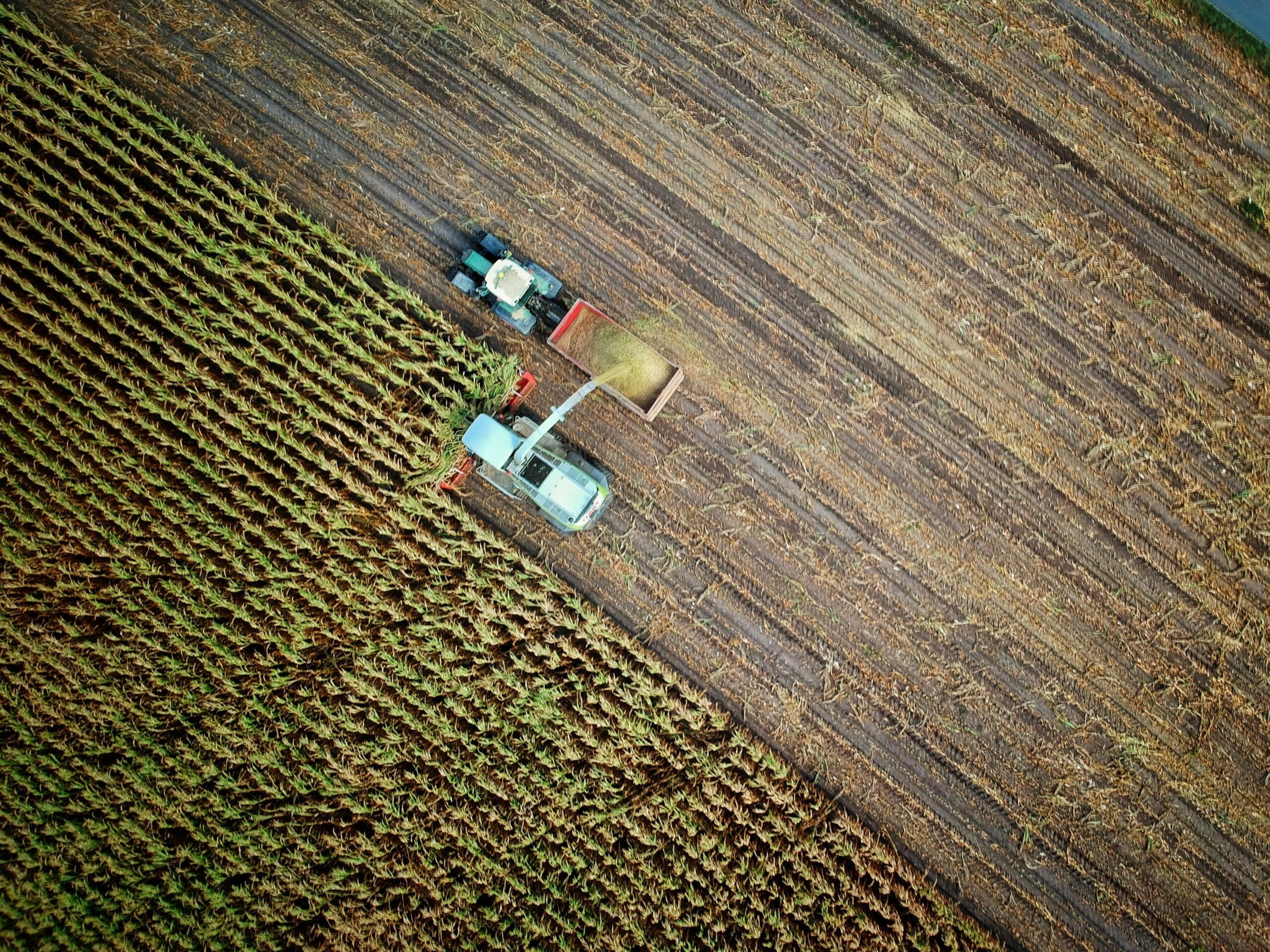
The 2026 Market: Resilience Amidst Evolution
Current market data for February 2026 indicates that while residential markets in the Bay Area have seen a stabilization of prices, Monterey County’s “row crop” land continues to hold a significant premium. With this, the stakes for accurate valuation have never been higher.
Several factors are currently driving the “Fair Market Value” of Monterey County agricultural land:
-
Water Security: As sustainability groundwater management acts continue to tighten, the value of a parcel is now inextricably linked to its water rights and well production.
-
Crop Transition: We are seeing an increased shift in the “Highest and Best Use” of certain parcels as growers pivot between traditional lettuce crops and high-value berry or vineyard operations.
-
Climate Resilience: Recent flood and fire risk assessments have become standard data points in any 2026 appraisal report, as insurers and lenders demand more granular data on environmental risk.
Specialized Commercial & Investment Valuations
Agricultural valuation is a specialized discipline that falls under our Commercial and Investment Pillar. Unlike standard residential work, an agricultural appraisal must account for the “going concern” of the land’s productivity.
Why AVMs and “Generalist” Appraisers Fail
In a market like Monterey County, an Automated Valuation Model (AVM) used by Zillow and LoopNet is effectively useless for farmland. An algorithm cannot walk the soil, test the salinity of a well, or understand the nuances of a long-term lease agreement with a major cooling facility.
At Pacific Appraisers, we go beyond the surface. A qualified appraisal for a Monterey County ranch or farm includes:
-
Soil Quality Analysis: Differentiating between Class I prime farmland and Class IV grazing land.
-
Infrastructure Assessment: Valuing specialized improvements such as hoop houses, irrigation systems, and cold storage facilities.
-
Income Capitalization: Analyzing the cash rents and net operating income that the land generates, which often serves as a primary indicator of value for institutional investors.

Estate Planning and the “OBBBA” Impact
With the passage of the One Big Beautiful Bill Act (OBBBA) in late 2025, federal estate and gift tax exemptions have been permanently elevated to $15 million per person in 2026. While this is a boon for many, the IRS has simultaneously increased its scrutiny of “Special Use Valuations” under Section 2032A.
For families looking to pass down a farm to the next generation, a specialized agricultural appraisal can help qualify the estate for these tax-saving measures. By valuing the land based on its current agricultural use rather than its potential for development, families can significantly reduce their federal tax liability.
Conclusion: Partnering with Pacific Appraisers
In 2026, agricultural land in Monterey County is more than just property; it is a complex financial asset influenced by global markets, local water laws, and shifting federal tax codes. Protecting that asset starts with a precise, professional valuation.
Pacific Appraisers brings decades of experience to the valley, providing the insights that farmers, attorneys, and investors need to make informed decisions. We understand the soil, we understand the law, and we understand the market.
Contact Pacific Appraisers today for a confidential consultation regarding your agricultural land appraisal or consulting needs in Monterey County and across the San Francisco Bay Area.