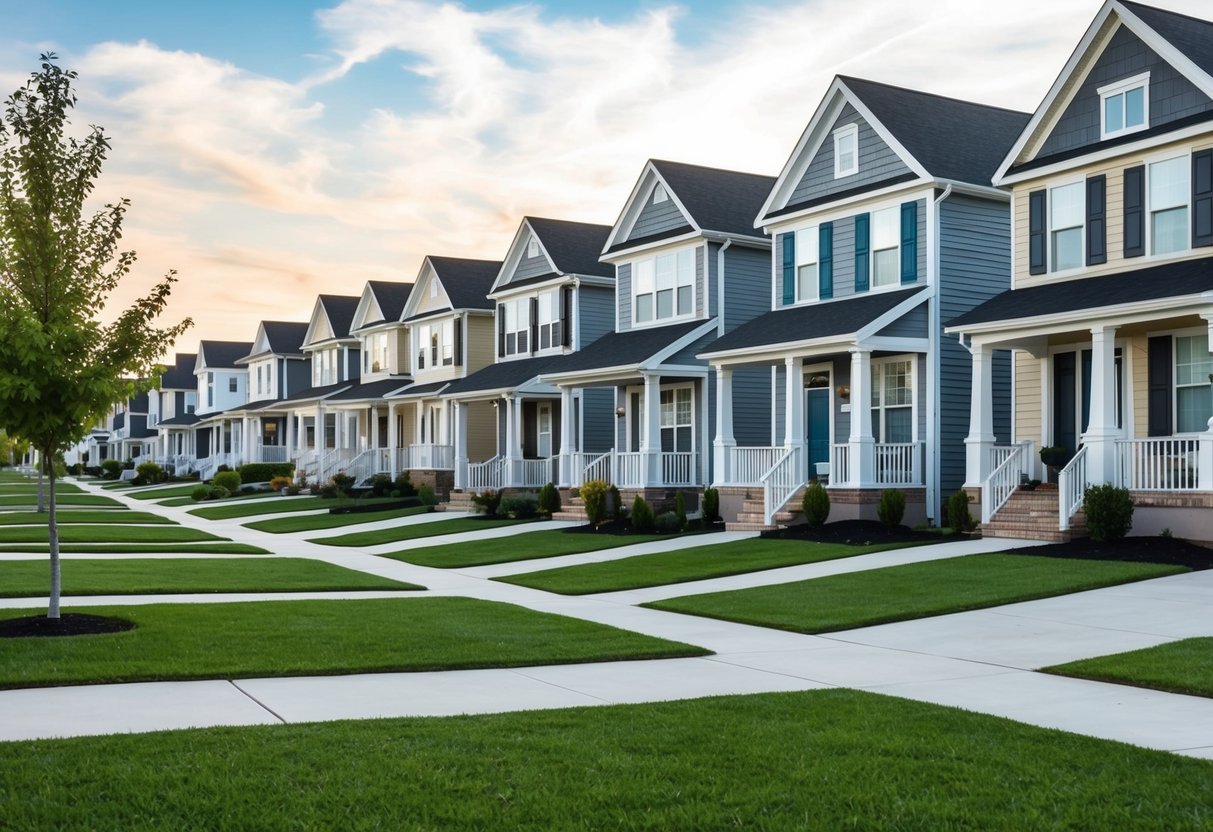
Understanding the Value of Multi-Family Properties in Appraisals: Key Factors and Insights

When we evaluate multi-family properties, it’s essential to understand their unique value in real estate appraisals. These properties, which house multiple units under one roof, often provide consistent rental income streams and appeal to investors seeking long-term financial stability. Unlike single-family homes, their value relies heavily on factors like rental income potential, operating expenses, and market demand for multi-unit properties.
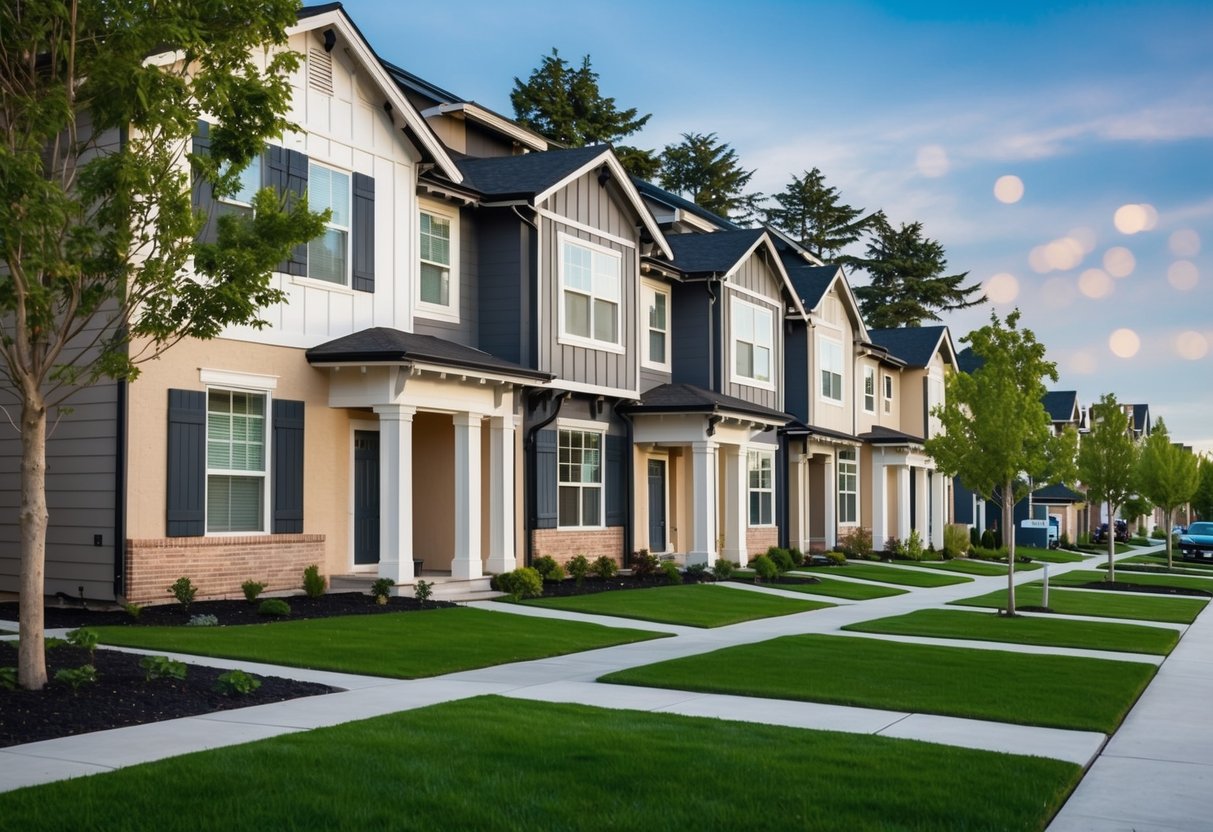
A row of multi-family properties with manicured lawns and modern amenities, surrounded by trees and a bustling neighborhood

In appraisals, we focus on both the property’s financial performance and physical condition. Income-based approaches, such as calculating the capitalization rate, help us determine the property’s earning potential. At the same time, location, occupancy rates, and comparable properties in the area play a major role in assessing value. Understanding these details ensures accurate appraisals that reflect both the market and the property’s performance.

Key Appraisal Concepts for Multi-Family Properties
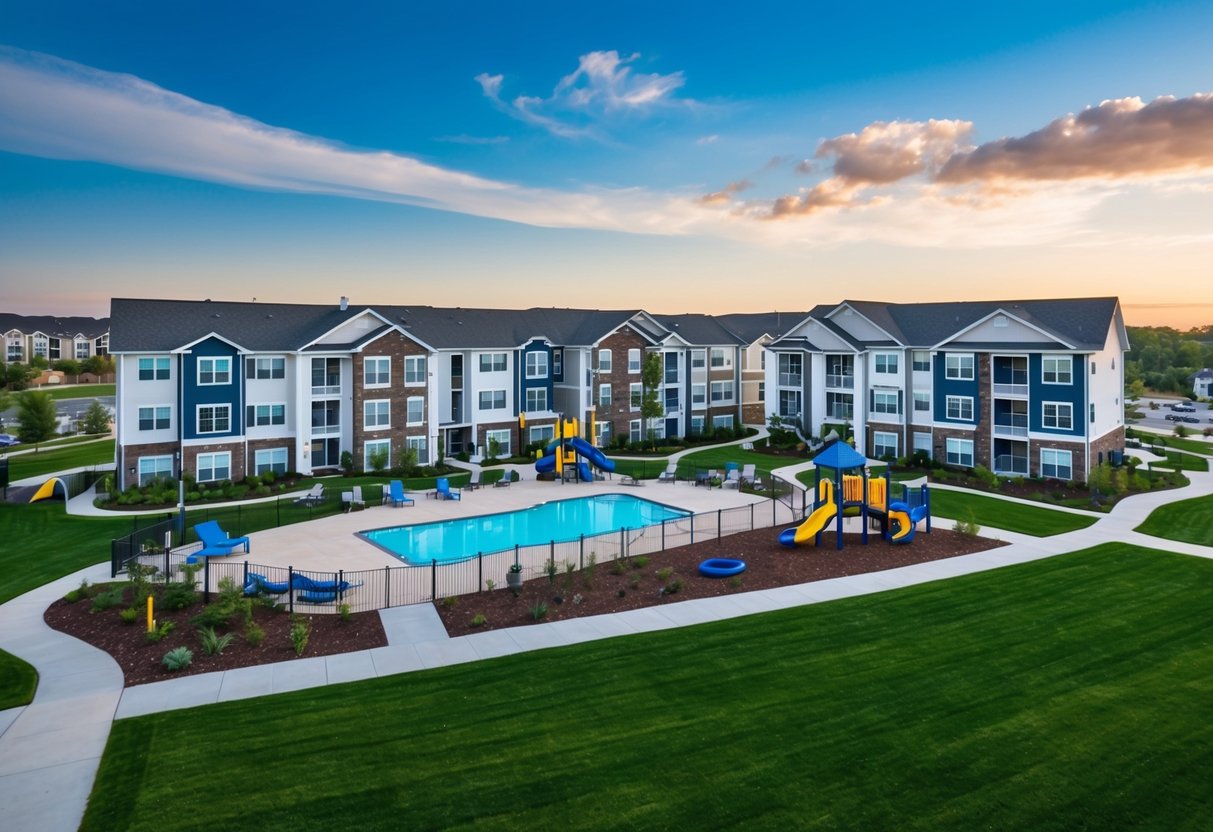
A multi-family property with a mix of apartment buildings and townhouses, surrounded by well-maintained landscaping and amenities such as a pool and playground

When appraising multi-family properties, it’s essential to evaluate the market value of the property, understand the appraiser’s role, and follow the structured appraisal process. Multi-family properties also require a distinct approach compared to standard residential real estate.

Understanding Market Value

Market value represents the estimated price a property would sell for under normal conditions. For multi-family properties, market value is influenced by location, neighborhood trends, rental income, operating expenses, and comparable sales.

Key factors that affect market value:

  • Income potential: The ability of the property to generate consistent rental income.
  • Comparable sales: Recent sales of similar properties in the area.
  • Market conditions: Trends in the local real estate market and demand for rental housing.

Role of the Appraiser

Appraisers provide an independent, unbiased assessment of the property’s value. They are licensed professionals trained to consider specific factors, such as property condition, income generation, and market trends.

How appraisers approach multi-family properties:

  • Inspect the property for physical condition and layout.
  • Analyze financial records, including rental income and expenses.
  • Research neighborhood characteristics and comparable property data.

Appraisal Process Overview

The appraisal process for multi-family properties follows a detailed framework to ensure accuracy. This process involves investigating various aspects of the property and using specific evaluation methods.

Steps in the appraisal process:

  1. Initial research: Gather public records and prior sales data.
  2. Site inspection: Examine the property’s physical condition and layout.
  3. Income approach: Assess property value based on rental income and operating costs.
  4. Sales comparison approach: Compare it to similar properties sold recently.
  5. Final report: Summarize findings and establish the property value.

Residential Real Estate and Multi-Family Context

Multi-family properties differ from single-family homes because of their income-generating nature. While residential real estate primarily offers personal living spaces, multi-family buildings are evaluated for their investment potential.

  • In residential real estate, key factors include curb appeal, amenities, and the quality of schools nearby.
  • In a multi-family context, attributes like tenant turnover, maintenance costs, and occupancy rates take on larger importance for the appraisal.

By understanding these differences, we can better grasp how appraisals adapt to the unique requirements of multi-family properties.

Core Methods for Valuing Multi-Family Properties

To accurately assess the value of multi-family properties, we rely on structured methods that evaluate income potential, comparable sales, and overall construction costs. Each approach offers distinct insights into market conditions and property valuation.

Income Approach

The income approach focuses on the property’s ability to generate revenue. Net Operating Income (NOI) is a key factor here, calculated by subtracting operating expenses from gross rental income.

We then apply a capitalization rate (Cap Rate) to the NOI to determine the appraised value. The formula is:
Appraised Value = NOI ÷ Cap Rate

Understanding market conditions is essential when selecting an appropriate Cap Rate, as it reflects investor expectations and risk levels.

Sales Comparison Approach

The sales comparison approach evaluates market values by comparing the subject property to recently sold comparable sales. We analyze the similarities and differences in factors like location, unit count, condition, and amenities.

Adjustments are made for any disparities to arrive at an accurate value conclusion. This method reflects current market trends and provides insight into the property’s competitiveness.

Cost Approach

The cost approach estimates property values based on how much it would cost to rebuild or replace the property at current market value. It involves calculating:

  1. Replacement Cost: The cost to construct the building today.
  2. Depreciation: Subtracted due to physical wear, functional issues, or external factors.
  3. Land Value: Added based on its appraisal.

This method is especially useful for new builds or properties with unique characteristics that may lack comparable sales.

Factors Influencing Value Determination

When determining the value of a multi-family property, we focus on several critical aspects. These include the property’s physical features, recent comparable sales, current market trends, and the impact of renovations or modifications.

Physical and Structural Characteristics

The subject property is evaluated for its overall condition, layout, and structural integrity. During the home inspection, details like foundation quality, roof age, and mechanical systems are key considerations. Lot size and land value also play a significant role in value determination. Properties with more gross living area tend to have higher valuations, as usable space is often tied to market appeal.

Adjustments and Comparable Sales

We rely on comparable sales to make informed adjustments to the valuation. These sales reflect the recent purchase price of similar properties in the same area. Adjustments are made for factors such as differences in size, location, and condition. For example, if a similar property sold recently but had additional renovations, we account for these variations to refine the subject property’s value.

Market Trends and Conditions

Market trends provide insight into demand and pricing fluctuations, which directly affect property values. If the market conditions are strong, with increasing demand for rental spaces, multi-family properties typically see higher appraisal values. Conversely, downturns or high vacancy rates can negatively impact valuations. Monitoring economic indicators helps us align value assessments with current market realities.

Renovations and Gross Living Area

Renovations play a vital role in boosting property value, especially those that improve functionality or aesthetics. Updates to kitchens, bathrooms, or energy-efficient installations enhance appeal. Expansion of gross living area, such as adding another unit or finishing a basement, often increases value, as larger properties provide greater rental income potential.

Multifamily Appraisal Outcomes and Reporting

Appraisal outcomes for multifamily properties are critical for determining accurate valuations, ensuring compliance with industry standards, and supporting sound decision-making for transactions and financial planning. These reports also aid in managing risks associated with real estate investments and assessing property attributes.

Appraisal Report Components

An appraisal report for a multifamily property generally includes key pieces of information that guide valuation.

Key components include:

  • Property Description: Details about the location, unit count (e.g., duplex, triplex, etc.), square footage, and building condition.
  • Market Analysis: An assessment of the area’s real estate trends, rental demand, and comparable property sales.
  • Income Approach: Estimation of potential rental income to evaluate the property’s earning capacity.
  • Cost Approach: Analysis of replacement costs for the building in case of damages.
  • Sales Comparison Approach: Comparison to similar properties recently sold in the area.

These details allow us to analyze the multifamily property thoroughly, placing its value within a clear context.

Uniform Appraisal Dataset and Compliance

The Uniform Appraisal Dataset (UAD) ensures that appraisals adhere to a standard format. This helps lenders and stakeholders interpret reports consistently. By following UAD guidelines, we ensure all necessary data points are included, such as property type distinctions (e.g., apartment buildings, condominium units) or condition ratings.

Compliance with the UAD also minimizes errors and supports regulatory requirements. It provides transparency, which fosters trust for all parties involved in the appraisal process.

Property Assessment and Risk Management

Accurate property assessments help us evaluate factors like occupancy rates, deferred maintenance, and neighborhood risks. For example, a high vacancy rate might signal potential income instability.

Risk management efforts rely heavily on this assessment. Understanding both physical risks—such as structural concerns—and financial risks—like market downturns—helps us make well-informed decisions about the property’s potential.

We must address these risks proactively to maintain the value and appeal of the investment.

Implications for Estate Planning and Transactions

Multifamily appraisals play a vital role in estate planning by helping us estimate the value of assets accurately. This is especially important for dividing property among beneficiaries or settling tax obligations.

Similarly, during real estate transactions, these appraisals influence buyer and seller decisions. Accurate valuation supports negotiations and ensures fair pricing, reducing the chance of disputes. By providing clear data, appraisals also streamline financing processes, making transactions smoother for all parties involved.

Frequently Asked Questions

When appraising multifamily properties, we consider rental income, property condition, local market trends, and valuation methods. Below, we address important questions about the factors and principles that influence these appraisals.

What factors are considered in the appraisal of multifamily properties?

We examine several factors, including the property’s location, condition, and size. Market demand for rentals in the area plays a key role. We also analyze occupancy rates, rental income, and operating expenses to assess profitability.

What methods are used to calculate the value of a multifamily property?

We often use the income approach, which focuses on rental income and operating costs. The sales comparison method is also common, comparing the property to similar ones sold recently. In some cases, the cost approach is used to estimate the value based on replacement costs.

How do capitalization rates affect the appraisal of apartment buildings?

Capitalization rates, or cap rates, measure the relationship between a property’s income and its value. A lower cap rate typically reflects a higher property value, while a higher cap rate suggests lower valuation. We use cap rates to estimate an investor’s expected return.

Can you explain the 1% rule and its relevance in multifamily investments?

The 1% rule is a quick guideline that suggests a property should generate monthly rental income equal to at least 1% of its purchase price. While not a precise metric, it helps us and investors assess the potential income of a multifamily property.

What are the key differences between multifamily and single-family property appraisals?

With multifamily properties, we prioritize rental income, operating costs, and market demand. Single-family appraisals, on the other hand, focus more on the property’s features, comparable sales, and buyer demand in the area.

How does rental income influence the valuation of multifamily real estate?

Rental income is a key driver of value in multifamily real estate. Higher rental income typically increases the property’s valuation. We also consider stability of income, rent collection history, and market rates to ensure accuracy.


The Importance of Historical Sales Data in Appraising Single-Family Homes Effectively

When appraising single-family homes, historical sales data plays a critical role in determining accurate property values. By analyzing past transactions, we can identify trends that influence home prices, such as location, market conditions, and property features. This data helps us compare similar homes and provides a clear understanding of how much buyers are willing to pay.

A real estate agent studying old sales records in a home office, surrounded by charts and graphs

Relying on historical sales data ensures appraisals are grounded in facts rather than guesswork. It allows us to assess market performance over time, recognize seasonal shifts in demand, and account for neighborhood-specific factors. Using this information, we can make informed decisions and provide more reliable estimates.

Foundations of Historical Sales Data in Home Appraisal

A stack of old property records and sales data, scattered on a desk, with a vintage map and a calculator nearby

Historical sales data is a cornerstone of real estate appraisal, providing critical information for accurate property valuation. By examining past sales and property details, we can better determine a subject property’s market value.

Understanding Historical Sales Data

Historical sales data consists of records of previous property sales, including sale prices, transaction dates, and buyer-seller details. This data helps us establish market patterns, seasonal trends, and price fluctuations over time.

Key components of historical sales data:

  1. Sale price: The final agreed-upon price for a property.
  2. Transaction date: The date the property sale was finalized.
  3. Property details: Information on size, location, age, and condition.

Accessing reliable and up-to-date data is essential for creating accurate appraisals and understanding shifts in the real estate market.

Role of Comparable Sales in Valuation

Comparable sales, or “comps,” are properties similar in size, location, age, and other characteristics to the subject property. These sales act as benchmarks to determine a home’s value.

How we use comps in an appraisal:

  • Identify 3–5 comparable properties recently sold within the same area.
  • Adjust for differences, such as renovations, lot size, or proximity to amenities.
  • Use these adjusted values to estimate the subject property’s market price.

Comparable properties provide context to the appraisal report, ensuring the valuation reflects current market conditions.

Importance of Accurate Property Details

For historical sales data to be meaningful, property details must be precise and complete. Limited or incorrect information can lead to flawed analyses and incorrect valuations.

Factors we verify include:

  • Square footage: Affects price per square foot comparisons.
  • Lot size: Impacts land value considerations.
  • Condition: Renovations or damage can significantly shift property value.

By ensuring these details are accurate, we improve the reliability of the appraisal process, protecting both buyers and sellers in real estate transactions.

Appraisal Methods Leveraging Sales Data

When appraising single-family homes, historical sales data provides a foundation for accurate and fair valuations. By analyzing past transactions, we can compare similar properties, estimate costs, and even use automated tools to streamline the process.

Sales Comparison Approach

The sales comparison approach relies on identifying recent sales data for similar properties, often called comps. These comparable sales are carefully selected based on characteristics such as size, location, age, and condition.

We evaluate differences between the subject property and comps using adjustments—adding or subtracting value for features like upgrades, lot size, or number of bedrooms. Public records and MLS databases play a key role by offering access to detailed historical sales data. Real estate agents and appraisal management teams also assist in verifying this information for accuracy.

Integrating Cost and Income Approaches

For unique or newly built homes, the cost approach helps us estimate the value by calculating the cost of replacing the property, minus depreciation. This method often relies on material, labor costs, and updated construction rates.

On the other hand, if the property is used as a rental, the income approach considers its earning potential. By leveraging rental income data alongside operating expenses, we can calculate value using metrics like the capitalization rate.

Integrating these approaches with historical sales data ensures our valuation aligns with both market conditions and the property’s specific characteristics.

Automated Valuation Models (AVMs)

Automated Valuation Models (AVMs) utilize algorithms to analyze historical sales data, comps, and trends at scale. These models generate quick estimates based on patterns found in large datasets, often sourced from public records and real estate platforms.

While AVMs are fast and efficient, they are best used as a starting point. We combine AVM insights with manual review processes and professional judgment to ensure accuracy and account for unique property details that algorithms might overlook.

Influence of Market Trends and Conditions

Understanding market trends and conditions is vital when appraising single-family homes. These factors shape the fair market value by reflecting buyer behavior, supply shifts, and the broader economy.

Impact of Market Value and Market Trends

Market value is influenced by both short- and long-term sales trends. Fair market value depends on how much buyers are willing to pay under normal conditions, which often shifts with interest rates or inflation. For instance, rising interest rates can decrease affordability, lowering demand and, in turn, property values. On the other hand, sales trends in a seller’s market might show higher values due to increased buyer competition.

Tracking market trends—such as seasonal patterns or shifts in regional demand—helps us align property appraisals with current conditions. We follow standards like USPAP (Uniform Standards of Professional Appraisal Practice) to ensure accurate reflection of these trends.

Effect of Supply and Demand on Appraisal

Supply and demand play a significant role in determining competitive market prices. In a buyer’s market, excess housing inventory may lead to lower prices, while a seller’s market prioritizes higher bids due to limited availability.

For appraisals, we examine the balance between housing supply and buyer activity. Limited supply during low-interest-rate periods can push values up, while oversupply during a recession may bring prices down. These shifts are analyzed to align appraisals with the current market conditions.

Adjusting for Changing Economic Factors

Economic factors such as inflation or recession directly impact property values. During inflation, housing prices may rise due to decreased purchasing power. Recessions, however, often lead to reduced demand and lower market activity.

We also account for interest rate fluctuations, which affect borrowing costs directly tied to purchasing decisions. Adapting appraisals to these changes ensures the values accurately reflect evolving financial realities.

By monitoring these external forces, appraisers can maintain alignment with federal housing administration guidelines while delivering reliable valuations.

Practical Applications and Insights from Historical Sales Data

Historical sales data serves as a foundation for making informed decisions in real estate. It offers valuable insights that aid in transactions, negotiations, and ensuring property valuations are accurate and fair.

Informing Real Estate Transactions and Negotiations

Historical sales data allows us to analyze sale prices, trends, and comparable properties, which are essential for assessing a property’s value. By looking at homes with similar square footage, features, and locations, we can better determine whether a listing price is fair.

In negotiations, this data empowers us to develop effective strategies. For example, if a property is listed higher than recent sales in the same neighborhood, we can use this information to negotiate a lower price. It also provides clarity when discussing closing costs or addressing concerns about future capital gains tax implications.

A table of comparisons might include:

Property Address Sold Price Square Footage Sale Date Features
123 Main St. $350,000 1,800 sq. ft. March 2025 3 beds, 2 baths
456 Oak Ave. $345,000 1,750 sq. ft. February 2025 3 beds, 2 baths

Mitigating Low Appraisal Risks

One of the challenges during a home appraisal is the risk of it coming in below the agreed-upon sale price. Historical sales data helps avoid this by aligning expectations for opinion of value with market evidence.

With access to records of recently appraised properties, we can confidently challenge low valuations or adjust our offer to ensure we stay within the property’s market norms. This helps avoid unexpected delays or additional appraisal fees during a sale.

Enhancing Accuracy in Property Valuations

Accurate valuations are vital for managing estate settlements, estate taxes, and other financial obligations tied to real estate. Historical data supports precision by providing measurable details, such as comparable sales and average price per square foot.

This data helps us strike a balance between the seller’s and buyer’s perspectives, offering clarity and transparency in the appraisal process. Ultimately, it contributes to better cash flow management and minimizes the risk of disputes over property value.

Frequently Asked Questions

Historical sales data plays a vital role in accurately valuing single-family homes. By analyzing past sales, we can identify trends and make informed adjustments to reach fair and reliable appraisals.

How does historical sales data influence the sales comparison approach in property valuation?

We use historical sales data to compare the subject home with recently sold properties of similar features and location. This helps establish a benchmark for pricing and ensures the valuation reflects current market conditions.

What methods are used to adjust historical sales figures during a single-family home appraisal?

Adjustments are made for differences like property size, condition, or location. For example, a smaller lot size or outdated features are factored into the valuation by modifying the sales price of comparable homes accordingly.

Why is it critical to consider market trends when appraising single-family homes?

Market trends show whether home prices are rising, falling, or remaining stable. Ignoring these changes can lead to outdated valuations that fail to align with current buyer and seller expectations.

What are the key indicators to look for in historical sales data when assessing a home’s value?

Important indicators include the sale price, the time of sale, property condition, neighborhood location, and any unique upgrades or amenities.

How do appraisers ensure the accuracy of historical sales data used in home appraisals?

We cross-check data with trusted sources, like MLS records and county tax databases. Verification of details ensures the integrity of the information used in valuation.

In what ways can historical sales data be misleading in the appraisal process, and how can this be mitigated?

Outdated or incomplete data can distort valuations. To address this, we carefully review timeframes and exclude sales that are too old or significantly impacted by unique circumstances.

Analyzing School District Influence on Single-Family Home Values: Key Factors and Trends

The relationship between school districts and single-family home values is an important factor when looking at real estate trends. Families often prioritize access to quality education, and this can significantly impact property values. Homes within districts known for high-performing schools tend to attract more buyers and maintain higher prices.

A single-family home surrounded by a school district with a mix of well-maintained and run-down properties, and a noticeable difference in property values

As homeowners and investors, we see how local school ratings can shape demand within neighborhoods. Strong districts create a ripple effect, raising interest in surrounding areas. This connection between educational quality and perceived value makes school districts a key consideration in the housing market.

When analyzing single-family home values, it’s clear that education plays a major role. Families willing to pay a premium to live near top schools drive up prices in districts with strong reputations. As a result, school quality becomes a central factor for both buyers and sellers.

Understanding School District Impact on Home Values

A suburban neighborhood with rows of single-family homes, each with well-maintained lawns and sidewalks. A large school with a playground and sports fields sits nearby

School districts play a critical role in shaping home values by influencing buyer preferences and neighborhood desirability. Factors like school quality ratings, test scores, and access to school choice options directly affect property value perceptions.

The Link Between School Performance and Property Value

It’s clear that higher-performing school districts often correlate with higher property values. When schools achieve strong standardized test scores and maintain positive reputations, families are motivated to move into the area. This demand drives up real estate prices, as homes in desirable districts become sought after.

According to studies, homes located in top-rated school zones may sell for up to 10-20% more than similar homes in average-performing areas. This financial premium demonstrates the weight buyers place on educational quality when choosing where to live.

How School Quality Ratings Influence Buyer Preferences

Buyers often use school quality ratings from sources like GreatSchools or state education departments to guide their decisions. These ratings, based on metrics such as academic performance and student outcomes, simplify comparisons between districts.

For families with school-age children, being in a better school district is often a higher priority than home features like square footage or updated appliances. This trend leads to increased competition for properties within districts with strong ratings, further driving up prices.

Here’s a quick breakdown:

School Rating Impact on Buyer Interest Effect on Home Values
Excellent (8-10) High interest Significant price increases
Average (5-7) Moderate interest Stable to modest price impact
Low (1-4) Low interest Depressed or stagnant prices

School Choice and Neighborhood Desirability

The availability of school choice, such as open enrollment policies or charter school options, also affects neighborhood desirability. When families can opt into quality schools without being tied to their local district, the impact on nearby home values can be less pronounced.

Conversely, when access to good schools is restricted to district residents, homes within those boundaries tend to see sharper price increases. This exclusivity can create a sense of prestige for certain neighborhoods, further boosting their property values.

By understanding the complex relationship between school districts and home values, we gain insight into why buyers prioritize educational quality as a key factor in their decisions.

Key Factors Shaping Single-Family Home Prices

Single-family home prices are influenced by a combination of physical property features, location-driven demographics, and financial considerations like taxes. Each of these factors interacts to shape the housing market.

Property Characteristics: Square Footage and Lot Size

The size of a home and its lot are critical in determining property values. Square footage defines how much living space a home offers, and larger homes typically command higher prices. For example, a 2,500-square-foot home is generally priced higher than a 1,200-square-foot home in the same market, assuming other conditions are similar.

Lot size also affects real estate prices, especially in areas where available land is scarce. A larger lot provides more outdoor space, which appeals to many buyers. Lot size may also open the opportunity for future expansions, further boosting value.

Factor Impact on Price
Square Footage Larger homes = Higher prices
Lot Size Bigger lots = More valuable land

The Role of Zip Codes and Demographics

A home’s location, represented by its zip code, heavily shapes its market value. Higher-income zip codes with strong employment opportunities often see elevated housing prices. These areas are also associated with lower crime rates and better amenities, which contribute to demand.

Demographics play a role by influencing trends in homeownership. Neighborhoods with younger families may prioritize proximity to schools and parks, while retirees may look for quiet areas. This demand shapes real estate prices within the same zip code.

  • Zip Code: Impacts access to services, job markets, and safety.
  • Demographics: Can shift neighborhood preferences and price trends.

Property Taxes and School Funding

Property taxes vary by location and are closely tied to real estate prices. Higher-valued homes generally incur higher property taxes. For families focused on public education, this is significant, as property taxes often fund local schools. These taxes may enhance the perception of a neighborhood with well-funded school districts, driving up housing prices.

High property taxes, however, can deter buyers seeking affordability, creating a balancing act. Buyers are often willing to pay a premium for homes in areas with both reasonable property tax rates and strong schools.

Tax Level Effect on Home Value
High Taxes Better schools, but higher costs
Low Taxes Affordable, but possibly fewer resources

Current Trends and Research in School Districts and Housing Markets

School district quality has become a significant factor influencing home prices and buyer preferences. Research highlights the interconnected roles of resale value, urban and real estate economics, and insights from academic and financial institutions.

Resale Value and Long-Term Investment

Properties in highly-rated school districts often command higher prices and retain value over time. Studies show that buyers are willing to pay a premium for homes in areas with excellent schools, viewing them as both a lifestyle benefit and a solid investment.

A strong school district can help insulate home values during economic downturns. For example, homes in top-tier school zones depreciate less compared to those in lower-rated districts. This makes them attractive for long-term investors in the housing market.

In addition, buyers often prioritize future resale value when choosing these homes. Even individuals without children understand that high-quality schools improve demand, which helps safeguard their investment.

Insights from Real Estate Economics and Urban Economics

From a real estate economics perspective, school districts are often referred to as “amenities,” similar to proximity to parks or transportation hubs. Scholars in urban economics emphasize this relationship, explaining how better schools increase overall neighborhood desirability.

These dynamics impact not only individual properties but also broader housing markets. Regional housing demand often shifts as families migrate toward areas with high-performing schools. Over time, this process can concentrate wealth and shape urban development patterns.

We also observe disparities between affluent and underfunded neighborhoods. Homes in well-funded districts tend to increase in value faster, exacerbating housing inequality across urban and suburban areas.

Academic and Financial Institution Analyses

Academic studies frequently analyze the price differences between similar homes in different school districts. For example, research indicates that a district with a higher test score ranking correlates with a measurable increase in median home prices. This phenomenon reflects strong buyer demand and neighborhood competition.

Financial institutions have also contributed analyses on this topic. Mortgage lenders often factor school district characteristics into appraisals. Higher valuations in sought-after districts justify larger loan amounts, which further fuels local housing markets.

Additionally, institutions examine long-term trends, such as how reliance on property taxes for school funding links educational quality to housing values, creating cycles of advantage for certain neighborhoods. This relationship underscores the financial interdependence of schools, homeowners, and real estate industries.

Frequently Asked Questions

School districts play a significant role in shaping single-family home values by influencing buyer preferences and market trends. Let’s address key questions related to this topic.

What impact does school district quality have on home price appreciation?

Higher-quality school districts often contribute to stronger home price appreciation. Families prioritize access to well-rated schools, which drives demand and can lead to price increases in those areas.

Can the reputation of a school district affect home buying decisions?

Yes, many buyers factor in the reputation of a school district when choosing where to live. A district with a strong reputation for academics or extracurricular programs often attracts families willing to pay more for homes within its boundaries.

Is there a correlation between school district rankings and housing market trends?

There is often a direct correlation. Homes in districts with higher rankings tend to maintain or gain value faster compared to those in lower-ranked districts due to consistent buyer interest.

How do educational improvements within a school district influence nearby real estate values?

When a school district improves its programs, test scores, or facilities, nearby home values often rise. Buyers view such improvements as added benefits and are more likely to invest in the area.

Are there any tax implications related to school district funding and home valuations?

Yes, school district funding is often tied to property taxes. Areas with higher property taxes may fund better schools, which can, in turn, influence home values. Buyers might weigh these costs when considering areas with premium school districts.

Do better-performing schools within a district lead to higher demand for homes in that area?

Homes located near better-performing schools often experience higher demand. Families seeking quality education for their children prioritize proximity to schools with strong academic outcomes, driving competition in the housing market.

Accessibility Features and Their Influence on Appraisal Outcomes: Key Impacts Explained

Accessibility features play a significant role in shaping appraisal outcomes across various products and services. These features ensure that individuals with diverse needs can engage with tools, environments, or systems effectively. By addressing barriers, they help create more inclusive experiences that cater to a broader audience.

A smartphone with various accessibility features displayed on the screen, surrounded by positive appraisal symbols such as stars and thumbs-up icons

As we assess value or performance, accessibility often influences not only usability but also the perceived quality of the offering. Whether it’s assistive technologies in digital platforms or design elements in physical spaces, these features can enhance functionality and impact overall evaluations.

Understanding Accessibility Features in Real Estate

Accessibility features play a crucial role in shaping how homes can meet the needs of persons with disabilities, promote independent living, and support aging in place. These elements enhance functionality and reduce barriers to daily activities within the home environment.

Key Accessibility Elements in Homes

Accessibility features often include physical modifications that improve ease of movement and safety. Grab bars are commonly installed in bathrooms to assist with stability and reduce fall risks. Ramps and widened doorways improve access for individuals using mobility aids, such as wheelchairs. Accessible kitchens and bathrooms are designed with features like lowered countertops and roll-in showers to simplify activities of daily living.

To assess accessibility, we must also consider environmental factors, such as lighting and flooring. Non-slip surfaces and clear pathways further minimize accessibility barriers, making it easier for people with disabilities or mobility challenges to navigate their homes independently.

Home Modifications and Adaptations

Adapting a home to improve accessibility often involves custom solutions tailored to individual needs. Home adaptations, like installing stairlifts or converting traditional bathrooms into wet rooms, can make homes more livable for individuals with limited mobility.

Addressing accessibility barriers may also include changes to improve external access, such as leveling uneven entrances or adding covered walkways to protect against weather-related obstacles. These modifications allow residents to sustain their independence while completing daily activities more efficiently and safely.

Assistive Technologies and Their Applications

Assistive technologies are pivotal in enabling independence and enhancing comfort. Voice-controlled systems, such as smart locks or lighting, allow people with disabilities to perform daily activities hands-free. Smart home devices can be programmed to adjust temperature settings automatically or notify caregivers in case of emergencies.

Certain technologies, like motion-sensor faucets and automated blinds, also cater to aging in place, helping individuals maintain control over their environment as their needs change. Through thoughtful integration of these technologies, our homes can better accommodate diverse requirements for accessibility.

How Accessibility Features Influence Appraisal Outcomes

Accessibility features can significantly shape the outcomes of appraisals by impacting how properties are valued, compared, and perceived. These features often enhance livability, address health needs, and improve mobility and safety, which can directly influence market and personal considerations.

Valuation Methods and Market Impact

When appraisers assess a property’s market value, they often account for how accessibility upgrades align with buyer demand. Features like wheelchair ramps, wider doorways, or stairlifts can expand a property’s appeal to a broader audience, especially buyers with specific mobility needs.

However, local market conditions heavily influence whether these features increase or stabilize value. In areas where accessible homes are in higher demand, these additions may lead to favorable appraisals. Markets with less demand may see more neutral impacts, with appraisers focusing on the cost-to-value ratio of the modifications.

Comparable Sales and Accessibility Upgrades

Appraisers rely on comparable sales when assessing a property’s value. If nearby recently sold homes have similar accessibility features—like an accessible bathroom—these sales will provide strong support for added value.

Yet, if accessibility features are uncommon in the area, appraisers may face challenges finding suitable comparisons. This gap could lead to subjective judgments or adjustments, potentially undervaluing the improvements despite their cost or utility.

Quality of Life and Health Considerations

Accessibility features often enhance a property’s livability by addressing health and comfort needs. For individuals with disabilities or chronic health conditions, modifications such as grab bars, zero-step entrances, or lever handles can improve daily functionality and reduce risks.

Appraisers may consider the potential for improved quality of life when assigning value, particularly in communities where such features are recognized as essential. Buyers seeking these health-related benefits might pay a premium, influencing the overall appraisal process.

Mobility, Safety, and Fear of Falling

Features designed to promote mobility and safety, such as non-slip flooring or well-lit walkways, reduce the likelihood of falls and other injuries. These modifications are often viewed favorably by appraisers as they address core concerns for elderly buyers or those with physical limitations.

Reduced fear of falling also contributes to the property’s perceived practicality, making it more attractive to buyers who prioritize safety. Appraisers may factor this into their evaluation, particularly when local demand supports such considerations.

Oversight, Standards, and Regulatory Compliance in Accessibility Appraisals

Ensuring accessibility compliance in appraisals requires adherence to strict standards, oversight by regulatory bodies, and enforcement through federal and institutional programs. Title XI and related initiatives shape the appraisal process by laying out clear rules and responsibilities for appraisers and regulators alike.

Federal and Institutional Guidelines

Federal regulators, such as the Appraisal Subcommittee (ASC), play a crucial role in providing minimum standards for accessibility-related appraisals. Title XI of the Financial Institutions Reform, Recovery, and Enforcement Act (FIRREA) mandates uniform requirements and ensures consistency across the real estate industry.

Institutions like the Appraisal Foundation publish standards such as the Uniform Standards of Professional Appraisal Practice (USPAP). These serve as the foundation for appraisers to evaluate properties consistently while meeting both accessibility and overall regulatory guidelines.

A Government Accountability Office (GAO) report often highlights gaps in accessibility enforcement, prompting institutional changes to address neglected areas. This feedback loop between federal oversight and institutional guidelines helps refine compliance efforts.

Appraisal Oversight and Enforcement Bodies

Oversight depends heavily on organizations tasked with enforcing regulatory compliance. The Appraisal Subcommittee (ASC) coordinates with state and federal regulators to monitor accessibility standards and ensure appraisers meet professional benchmarks.

Enforcement mechanisms include audits, certifications, and disciplinary actions for non-compliance. Regulatory agencies emphasize accountability by addressing deficiencies uncovered during inspections or reported violations within the real estate appraisal industry.

Federal and state regulators sometimes collaborate to share data and improve enforcement effectiveness. This joint approach strengthens oversight while minimizing discrepancies between institutional and federal standards.

Impact of Title XI and Regulatory Programs

Title XI has a lasting impact on the appraisal process by outlining responsibilities for appraisers and institutions, especially in areas like accessibility compliance. By requiring a standardized approach, it reduces inconsistencies that could affect appraisal outcomes.

Regulatory programs often evolve based on new accessibility trends and technological innovations. For instance, updated guidelines may call for more thorough evaluations of features like wheelchair ramps or accessible entryways.

Through Title XI and supporting programs, we ensure that appraisers focus on delivering fair, accurate, and compliant results. These efforts bolster public trust and professional integrity within the real estate sector.

Promoting Inclusivity and Independent Living Through Accessible Housing

Accessible housing empowers individuals to live independently and participate fully in their communities. By integrating thoughtful design and technology, we can enhance inclusivity and ensure easy access to critical resources and services.

Public Transportation and Community Access

Accessible housing locations should prioritize proximity to public transport options. Features like ramps, tactile paving, and audible signals at nearby bus stops or train stations are vital for blind individuals and people with limited mobility. Easy access to shopping centers, healthcare facilities, and public transportation hubs allows residents to make informed decisions about their daily routines.

Local governments and planners can consult the International Classification of Functioning, Disability, and Health (ICF) to design urban spaces that facilitate smooth navigation for older adults and people with disabilities. For example, providing safe pedestrian pathways and low-floor transportation vehicles can foster greater independence.

Inclusivity for Older Adults and People With Disabilities

Housing designs should account for the needs of older adults and people with disabilities. Features such as wider doorways, adjustable countertops, and wheelchair-accessible bathrooms promote inclusivity and usability for diverse populations. These designs reduce barriers and enhance daily living.

Engaging in community consultation ensures developers address specific needs effectively. Collaborations with disability advocates or organizations can provide valuable insights, ensuring housing solutions align with real-world challenges and expectations.

Role of Artificial Intelligence and Automated Valuation Models

Artificial Intelligence (AI) tools and Automated Valuation Models (AVMs) are transforming the housing appraisal process. These systems can analyze accessibility features to assess property values more accurately. By factoring in proximity to public transportation, accessibility upgrades, and community resources, AI-driven models support informed decisions for buyers and sellers.

For cities aiming to improve inclusivity, AI-driven insights can help identify areas with limited accessibility infrastructure. This data-driven approach enables meaningful investments to make neighborhoods more livable for everyone.

Frequently Asked Questions

Accessibility features play a vital role in shaping the usability, value, and compliance of software products. These features not only enhance inclusivity but also impact user satisfaction, legal standing, and market success.

How do accessibility features impact user experience in mobile and web applications?

Accessibility features improve how users interact with software by removing barriers that people with disabilities might face. For instance, tools like screen readers, larger text options, and high-contrast modes make interfaces easier to navigate for individuals with visual impairments. By doing so, we create a more inclusive experience for all users.

Can the implementation of comprehensive accessibility features affect the market value of a software product?

When a product integrates strong accessibility features, it can reach a broader audience, including individuals with disabilities. This broader appeal often results in positive reviews, better reputation, and a larger user base, which can significantly enhance the product’s market value.

In what ways do accessibility features contribute to legal compliance and risk management for software developers?

Governments often enforce regulations, such as the Americans with Disabilities Act (ADA) or Web Content Accessibility Guidelines (WCAG), which require platforms to meet accessibility standards. By incorporating these features, we reduce the risk of legal penalties and potential lawsuits while aligning with ethical and regulatory expectations.

What are the key areas to consider when evaluating software for accessibility compliance?

Key areas include ensuring text alternatives for non-text elements, proper color contrast, keyboard navigation without reliance on a mouse, and compatibility with assistive technologies like screen readers. These aspects ensure the software meets recognized accessibility guidelines.

How does the presence of accessibility features in software influence user satisfaction and retention?

Users are more likely to remain loyal to software that meets their needs and provides a seamless experience. Accessibility features empower users with disabilities, leading to higher satisfaction levels, improved usability, and greater long-term retention.

What are the best practices for testing software applications for accessibility?

We should use both automated tools and manual testing by diverse testers, including those with disabilities. Testing against established standards like WCAG is crucial, as is regularly updating features to address new accessibility challenges or user feedback.

The Role of Curb Appeal in Home Appraisal Values: Why First Impressions Matter

When it comes to home appraisals, curb appeal plays a bigger role than many of us might expect. The exterior of a home is the first thing we and potential buyers notice, setting the tone for the rest of the property. A well-kept lawn, fresh paint, and clean landscaping can give a strong first impression, signaling that the home is cared for and worth a higher value.

A charming house with a well-maintained garden and a freshly painted exterior, surrounded by neatly trimmed shrubs and a welcoming front porch

Appraisers factor curb appeal into their overall assessment because it directly impacts marketability. If a buyer is drawn to a home’s exterior, they’re more likely to view the interior positively as well. On the other hand, a neglected yard or peeling paint might suggest there could be other issues, leading to a lower appraisal. Curb appeal, while seemingly simple, can significantly influence how a property is perceived and priced.

Understanding Curb Appeal and Its Appraisal Impact

A charming house with well-maintained landscaping, a freshly painted exterior, and a welcoming front porch. The overall appearance exudes a sense of pride and care

Curb appeal plays a critical role in determining the value of a home, as it directly influences both the aesthetic appeal and the perceived value of the property. How a home looks from the outside can shape first impressions and significantly affect appraisal outcomes.

Defining Curb Appeal

Curb appeal refers to the overall attractiveness of a home when viewed from the street. It includes features such as landscaping, exterior paint, windows, doors, roofing, and the driveway. A well-maintained front yard, clean siding, and quality fixtures can make a home appear more valuable.

Aesthetic appeal matters because it creates a sense of pride and care. For example, neatly trimmed hedges and colorful flowers may signal to appraisers and potential buyers that the home is cared for, which boosts its perceived value.

On the other hand, issues like peeling paint, overgrown lawns, or cracks in the driveway can lower the visual appeal and, in turn, negatively affect the home’s overall appraisal.

How Home Appraisers Assess Exterior Presentation

Home appraisers evaluate curb appeal by looking at how the exterior presentation compares to other homes in the neighborhood. They examine specific elements such as:

  • Condition of the roof, siding, and gutters
  • Driveway cracks or stains
  • Quality and cleanliness of the front yard
  • Upkeep of windows, shutters, and doors

They also consider how these elements contribute to a buyer’s perception of the property. A home that appears move-in ready and visually appealing generally receives higher appraisals.

Moreover, appraisers take note of how curb appeal aligns with market trends. A home’s exterior that matches or exceeds the aesthetic standards of the neighborhood can positively influence property value, while one that falls below those standards may see a decrease.

Tables, benches, or stylish mailboxes can be small details that leave a big impact.

Essential Elements That Influence Appraisal Values

A charming house with a well-maintained exterior, including a manicured lawn, colorful flowers, and a welcoming front entrance

When determining a home’s value, specific exterior elements often play a critical role. Features like well-maintained landscaping, the quality of the home’s exterior, and the condition of the front yard and pathways can significantly shape appraisal outcomes.

Landscaping and Flower Beds

Landscaping is one of the first things people notice. A well-manicured lawn and neatly trimmed bushes can create a polished appearance. Adding flower beds with vibrant seasonal flowers enhances visual appeal and creates a welcoming feel.

Tips for landscaping value:

  • Choose low-maintenance plants.
  • Keep hedges and shrubs neatly trimmed.
  • Avoid overgrown or cluttered arrangements.

Real estate appraisers often perceive properties with professional landscaping or thoughtful flower bed design as better cared for and potentially worth more.

Home’s Exterior Condition and Upkeep

The exterior condition of the home tells us about its age, maintenance, and overall care. Peeling paint, damaged siding, or missing roof shingles can lower the perceived value. On the other hand, a home with a freshly painted exterior, clean windows, and functional gutters conveys pride of ownership.

Key areas to inspect periodically:

  • The roof: Fix any missing or broken shingles.
  • Gutters: Ensure they are cleaned and aligned.
  • Siding/windows: Repair cracks or chips as needed.

These small efforts go a long way in maintaining curb appeal and influencing an appraiser’s valuation.

Front Yard and Pathways

The front yard provides the first impression of a property. A tidy lawn combined with clear, well-paved pathways makes the home look inviting and organized. Cracked or uneven pathways may need repairs as they can detract from the overall appeal.

A front yard can also benefit from practical enhancements like solar pathway lights for added charm at night or upgraded materials like brick or stone for pathways. Simple details like mulching flower beds or edging grass along the walkway can elevate the space’s appearance without a hefty expense.

Improving Curb Appeal for a Higher Appraisal

When preparing a home for appraisal, small but impactful updates can make a significant difference in its value. From cleaning surfaces to enhancing lighting and improving exterior elements, attention to detail plays a key role.

Power Wash and Cleaning

Cleaning the exterior of the home is one of the simplest ways to enhance curb appeal. We can power wash the siding, driveway, and walkways to remove dirt, mold, and stains. For windows, regular cleaning ensures they sparkle and leave a positive impression. Even small tasks like sweeping away leaves or tidying up garden beds contribute to a cleaner, more appealing look.

Lighting and Light Fixtures

Exterior lighting is both practical and aesthetic. Replacing outdated light fixtures or adding modern ones around entryways can instantly refresh a home’s look. We should also check that all bulbs are working and consider installing solar-powered path lights for added charm. These updates provide a welcoming glow while improving safety.

Driveway Enhancements

A worn or cracked driveway can detract from a home’s appearance. Sealing asphalt, filling cracks, or pressure-washing a concrete driveway can make it look new. For added appeal, consider edging the driveway with bricks or plants to create a polished border. These upgrades make the exterior more cohesive and attractive.

Home Improvement Projects

Larger home improvement projects can further raise appraisal values. Painting the front door, installing new house numbers, or even replacing an old mailbox can make a home stand out. For those with more budget, adding shutters, updating the garage door, or landscaping the front yard are also great ways to elevate a home’s curb appeal.

Benefits of Enhanced Curb Appeal in the Real Estate Market

Enhanced curb appeal plays a significant role in property values by making homes more attractive to prospective buyers and fostering positive impressions. It can also improve the overall experience for homeowners who continue to live on the property.

Selling Your Home for Maximum Value

When a home’s exterior is well-maintained, it often supports higher appraisal values. A well-landscaped yard, fresh paint, and clean walkways can showcase the property’s full potential.

Simple upgrades, such as planting colorful flowers or ensuring the front door is in good condition, can lead to better offers. These small investments often yield strong returns by increasing the perceived worth of the home.

Competitive Edge and Buyer Impressions

Curb appeal helps our property stand out in a crowded real estate market. Buyers form first impressions within seconds, and a visually appealing exterior can give us an advantage over comparable homes.

Features like trimmed bushes, clean windows, and updated light fixtures signal care and attention to detail. This attention can encourage buyers to choose our home over others.

Impact on Living Experience for Homeowners

Improved curb appeal isn’t just for selling; it enhances our daily living experience too. A beautiful and tidy exterior can bring pride and enjoyment every time we return home.

Elements like outdoor seating areas or a welcoming front porch can make our property more functional and enjoyable. These improvements boost not only aesthetics but also comfort for us as homeowners.

Frequently Asked Questions

Curb appeal plays a critical role in shaping a home’s perceived value during appraisals. From well-maintained landscaping to the condition of exterior features, every detail matters.

What factors contribute to a home’s curb appeal when appraised?

Curb appeal includes elements such as landscaping, exterior paint quality, driveway condition, and the maintenance of entryways like doors and windows. These factors collectively influence how the property is viewed in terms of attractiveness and upkeep.

Can landscaping improvements significantly increase a home’s appraisal value?

Yes, landscaping can have a noticeable impact. Adding fresh sod, well-placed trees, and colorful flowers often increases visual appeal and can elevate the appraisal value. Maintenance also matters; overgrown or poorly planned designs can detract from a home’s worth.

What exterior features are most important to enhance before a home appraisal?

Key features include the roof, siding, front door, and windows. A clean driveway or walkway can also make a positive impression. Repairs, repainting, and minor upgrades often yield better results than leaving issues unresolved.

How do appraisers assess the impact of curb appeal on property value?

Appraisers consider the overall condition and presentation of the exterior when comparing the home to others in the area. They evaluate how curb appeal contributes to the property’s desirability and alignment with neighborhood standards.

To what extent can curb appeal influence a buyer’s perception of a home’s worth?

Buyers often form opinions based on first impressions, which means curb appeal can significantly affect perceived value. A visually appealing exterior creates a sense of pride and interest, making buyers more likely to see the property in a favorable light.

Are there standard guidelines for measuring the added value of curb appeal in real estate appraisals?

While there are no universal standards, appraisers often rely on their professional judgment and market data to determine how curb appeal impacts value. Factors like neighborhood comparisons and recent sales help shape their assessments.

Common Pitfalls in Single-Family Home Appraisals: Key Issues to Avoid

Buying or refinancing a single-family home often requires an appraisal, a key step in determining the property’s fair market value. While appraisals are a standard part of the process, they aren’t always without challenges. There are common missteps that can lead to inaccurate valuations, which may impact sales, financing, or investment decisions.

A home appraiser measuring a house exterior, noting property condition and surrounding area for a single-family home appraisal

One common issue is relying too heavily on outdated or unsuitable comparable sales, also known as “comps.” If the selected properties don’t closely match the subject home in size, condition, or location, the appraisal might not reflect the true value. Other pitfalls include overlooking unique property features or failing to account for market trends, both of which can skew results and cause frustration for all parties involved.

Fundamentals of Single-Family Home Appraisals

A single-family home with a well-maintained exterior, a manicured lawn, and a welcoming front porch. The surrounding neighborhood is peaceful with other similar homes nearby

Single-family home appraisals are essential tools for determining a property’s market value. They rely on the expertise of a qualified appraiser, follow a structured process, and serve several key purposes in real estate transactions.

Role of the Appraiser

The appraiser is a trained professional responsible for providing an unbiased property valuation. Appraisers must meet specific education, training, and experience requirements to become certified or licensed.

By adhering to guidelines set by organizations like the Appraisal Institute and regulations such as the Uniform Standards of Professional Appraisal Practice (USPAP), appraisers ensure that valuations are consistent and reliable. Their judgment is key to creating accurate and credible appraisal reports.

Purpose and Scope of Appraisals

A home appraisal helps establish the fair market value of a property. This is often required for mortgage approvals, refinancing, tax assessments, or legal disputes.

The scope involves analyzing various factors, such as property size, location, condition, and recent sales of comparable homes. It’s not an inspection; instead, it focuses purely on valuation.

Key Steps in the Appraisal Process

  1. Gathering Data: We begin by reviewing the public record and past appraisal reports, then inspecting the property in detail.
  2. Market Analysis: The appraiser evaluates recent sales of nearby properties, also known as “comps,” to establish context within the local real estate market.
  3. Property Assessment: Specific features like square footage, layout, upgrades, and the overall condition of the home are examined.
  4. Valuation Approach: Appraisers use one or more valuation methods, such as:
    • Sales Comparison: Comparing to similar homes recently sold.
    • Cost Approach: Estimating the cost to rebuild the property.
    • Income Approach: Used mainly for rental properties, analyzing potential income.
  5. Report Preparation: Findings are compiled into a detailed appraisal report, which includes the appraiser’s valuation, supporting data, methods used, and relevant observations.

By following these key steps, appraisers provide a thorough analysis to support confident decision-making in real estate.

Critical Appraisal Pitfalls and Common Errors

A single-family home with inaccurate measurements and outdated features, leading to an erroneous appraisal

Accurate appraisals are essential for determining a property’s value, yet certain mistakes can lead to significant inaccuracies. These issues often stem from measurement errors, poor comparisons, or overlooking critical market details.

Incorrect Square Footage Measurements

Square footage errors are among the most frequent mistakes. If measurements are taken inaccurately or incorrect data is pulled from the MLS, the appraised value can be skewed. It is essential to verify the dimensions of a home and exclude non-living areas like garages or unfinished basements unless they qualify under the guidelines. Even small inconsistencies can have a sizable impact on the final valuation.

Misidentification of Comparable Properties

Selecting unsuitable comparable properties is another common error. We must carefully choose homes that match the subject property in size, location, and features. For example, using comps from a different neighborhood or properties located near busy streets when the subject is in a quiet cul-de-sac can distort the comparison. Reviewing recent, relevant comparable sales ensures the appraisal reflects true market value.

Inaccurate Assessment of Property Condition

Failing to assess the property condition accurately can lead to overvaluations or under valuations. Properties with outdated interiors, deferred maintenance, or structural defects should not be rated similarly to updated homes in excellent condition. To avoid errors, we should document the state of the home thoroughly, highlighting key issues or upgrades that impact value.

Failure to Consider Local Market Trends

Ignoring current market conditions is a critical oversight. Real estate values can shift due to supply and demand, interest rates, or economic factors. For instance, appraising a property using outdated sales data during a rapidly rising or falling market can result in a valuation far from the current reality. Staying informed about the local market and adjusting for these trends ensures fairness and accuracy.

Impacts of Appraisal Issues on the Real Estate Transaction

Appraisal issues can significantly affect the progress and success of a real estate transaction. Problems such as discrepancies in value, contract challenges, and review processes often create obstacles that both buyers and sellers must navigate.

Low Appraisals and Purchase Price Discrepancies

A low appraisal occurs when the appraisal value is less than the agreed-upon purchase price. This discrepancy can halt the transaction if neither party is willing to adjust.

Buyers may struggle to secure financing since lenders typically base loan amounts on the appraised value. Sellers, on the other hand, may face pressure to lower their price to match the appraisal. This mismatch can lead to renegotiations or even canceled contracts.

Appraisal Contingency and Contract Price Challenges

An appraisal contingency in a sales agreement protects buyers, allowing them to back out or renegotiate if the appraisal value falls short of the contract price. While this offers some security for buyers, it places sellers in a difficult position.

If the appraisal value is less than expected, sellers might need to lower the contract price, provide concessions, or risk the deal falling through. This can delay the process and increase uncertainty for all parties involved.

Appraisal Review and Reconsiderations of Value

When appraisal outcomes are contested, requesting an appraisal review or a reconsideration of value can provide a chance to address inaccuracies or overlooked factors. These steps involve submitting additional evidence or comparable sales data to support a higher valuation.

While these processes can lead to adjustments, they require time and cooperation from all parties, potentially prolonging the timeline of the transaction. In some cases, this extra scrutiny can prevent the deal from progressing smoothly.

Stakeholder Responsibilities and Best Practices

When it comes to single-family home appraisals, proper communication, accurate inspections, and adherence to regulations are critical. Each stakeholder plays a key role in ensuring appraisals are accurate and fair, helping transactions proceed smoothly.

Coordination with Real Estate Agents and Mortgage Lenders

A strong working relationship between real estate agents, mortgage lenders, and appraisers ensures all key property information is properly shared. Real estate agents should provide us with data about comparable homes, including details on recent sales in the area and unique features of the subject property.

Mortgage lenders may request additional documentation, such as a second appraisal for refinancing purposes, or clarify instructions about loan programs, down payment requirements, and seller concessions. It’s essential we stay aligned with these parties to prevent delays in the appraisal process.

Importance of Accurate Property Inspection

A thorough property inspection is vital for valuing the subject property accurately. This means assessing the home’s condition, upgrades, and any issues that could affect real estate values. Missing critical details during an inspection can lead to disputes or even a need for another appraisal.

Items such as outdated HVAC systems, structural problems, or recent renovations like a modernized kitchen or new roofing need to be accounted for. This allows us to provide a fair and complete assessment for homebuyers, sellers, and lenders alike.

Cost Considerations and Appraisal Fees

Appraisal costs vary based on home complexity, location, and market demand. Knowing these fees upfront helps everyone involved. Standard costs typically depend on the size of the property and whether a rural or high-density urban area is involved.

In cases of refinancing or disputes over appraised value, additional fees may apply for second appraisals. We must communicate the appraisal cost clearly so that homebuyers and other stakeholders understand what they are paying for.

Addressing State Appraisal Board Regulations

State appraisal boards set guidelines that govern appraiser certification, appraisal processes, and reporting standards. Following these regulations ensures our compliance and consistency across appraisals. For example, many states require adherence to Uniform Standards of Professional Appraisal Practice (USPAP) to maintain ethical and unbiased work.

Regulations also dictate how we select comparable homes, factor in market trends, and report special circumstances like unique property features. Staying updated on state-specific rules protects the integrity of the process and aligns expectations for all stakeholders involved.

Frequently Asked Questions

When it comes to single-family home appraisals, there are many factors that can influence the final valuation. Understanding these can help us better navigate the process and avoid common mistakes.

What factors can negatively influence a home appraisal?

Several issues can lead to a lower appraisal value. Poor maintenance, structural damage, or outdated features are common concerns. External factors like nearby construction or undesirable neighborhood features can also play a role.

How should homeowners prepare for a home appraisal?

We should focus on enhancing the home’s overall condition. Repairs, cleaning, and staging can make a positive impression. Providing the appraiser with a list of recent improvements and upgrades is also useful.

What are some unexpected factors that can affect a home’s appraised value?

Market trends can unexpectedly impact valuations. Nearby foreclosures or fluctuating housing demand might influence appraisal results in ways we don’t anticipate. Environmental concerns, such as flood risk, may also play a part.

What commonly overlooked details can lead to a lower home appraisal?

Small issues, such as peeling paint, broken fixtures, or minor signs of neglect, can negatively affect the appraisal. These details may seem insignificant but can signal larger underlying problems to the appraiser.

How does cleanliness impact a home appraisal result?

While cleanliness itself doesn’t directly affect value, it shapes the perception of the home’s upkeep. A clean, well-maintained property suggests proper care, which can bolster confidence in the appraisal.

What are the reasons a home might fail an appraisal?

Safety concerns, major structural problems, or incomplete construction are typical reasons homes might fail. Issues that violate local building codes or require immediate repairs may create barriers to gaining approval.

Appraisal Methods Specifically for Single-Family Residences: Key Techniques and Insights

Appraising single-family residences requires a specific approach to accurately determine their property value. This type of valuation takes into account factors such as location, size, condition, and recent sale prices of comparable homes in the area. By analyzing these details, we can establish a fair market value that reflects the current real estate market conditions.

A suburban neighborhood with neatly manicured lawns and a variety of single-family homes, ranging from small bungalows to large, modern houses

As appraisers, we use standardized methods like the sales comparison approach, which evaluates the property against similar homes that have recently sold. This approach is especially effective for single-family residences since it provides a clear picture of how the property compares to others in the neighborhood. Ensuring precise and fair valuations supports informed decisions for buyers, sellers, lenders, and other stakeholders involved.

Core Appraisal Methods for Single-Family Residences

A single-family home with a neatly manicured lawn and a well-maintained exterior. Surrounding properties are also single-family residences

When appraising single-family residences, there are three widely recognized methods that help determine the property’s value. Each approach has its own strengths and is used based on factors like market conditions, property type, and available data.

Sales Comparison Approach

The Sales Comparison Approach relies on analyzing comparable sales of similar properties within the same market area. We compare the subject property to recently sold homes that match its characteristics—such as size, location, condition, and features.

Adjustments are made for differences between the subject property and comparable sales. For example:

  • If the subject property has an extra bedroom, we adjust the price upward.
  • If the comparable property has a newer roof, we subtract from its sale price.

This method works well in active real estate markets where there’s enough data on recent real estate transactions. It helps us estimate the fair market value of residential properties based on current market conditions and market trends.

Cost Approach

The Cost Approach calculates the replacement cost of the property by considering how much it would cost to rebuild it today. We account for both material and labor costs, then subtract accrued depreciation to reflect wear and tear or obsolescence.

There are two common techniques to determine land value:

  1. Extraction Method: Uses comparable sales to isolate land value from the overall property sale price.
  2. Allocation Method: Estimates land value as a percentage of total property value.

This approach is often useful for newer residential properties or those with unique features because it focuses on construction and land costs rather than market data.

Income Approach

The Income Approach is less common for single-family residences but can be applied to investment properties. We evaluate the property’s ability to generate rental income and determine its value based on a capitalization rate.

Key factors include:

  • Potential Rental Income: Expected monthly or annual revenue from leasing the home.
  • Operating Expenses: Costs like maintenance, utilities, and property taxes.

By subtracting expenses from income, we calculate the net operating income (NOI). Dividing the NOI by the capitalization rate gives us the appraised value. This method emphasizes the property’s economic potential in the real estate market.

Detailed Appraisal Process and Professional Standards

A professional appraiser meticulously measures and inspects a single-family residence, taking notes and photographs to document the property's condition and features

The appraisal process for single-family residences demands thorough attention to detail and adherence to recognized professional standards. We base our evaluations on reliable methods, focusing on accurate property assessments to provide recommendations for determining value.

Key Steps in the Home Appraisal Process

  1. Initial Research and Document Gathering: We start by reviewing public records, property data, and any provided documentation about the home. This research helps us understand essential details such as square footage, lot size, and prior sales history.
  2. Visual and Physical Inspection: Our appraisers conduct a home inspection to assess the property’s condition. This includes observing both the exterior and interior, taking photographs, and noting any factors that could influence value—such as upgrades, damages, or landscaping.
  3. Market Analysis: We compare the home with other recent sales of similar single-family residences in the area. Location, size, amenities, and age are important considerations in this comparative analysis.
  4. Final Appraisal Report: This detailed report includes the findings from our research, inspection, and market evaluation. It serves as the foundation for determining the property’s appraised value.

Role and Qualifications of the Appraiser

A reliable appraisal depends on the expertise of a certified or licensed appraiser. These professionals, often referred to as real estate appraisers or property assessors, meet strict qualifications and training standards required by governing bodies.

Appraisers are responsible for conducting thorough evaluations, ensuring compliance with ethical guidelines, and delivering unbiased reports. Their professional integrity ensures accurate and trustworthy property assessments, which are essential for making informed real estate decisions.

Factors Influencing Residential Property Values

Residential property values are shaped by a combination of location-specific dynamics and physical characteristics of the property. These factors directly affect listing prices, selling prices, and the reasonable purchase price during real estate transactions.

Market Area and Location Impact

The market area plays a critical role in determining property values. A residence in a region with strong market trends, such as a growing economy or high demand for housing, typically commands a higher purchase price. Location specifics like proximity to schools, grocery stores, parks, and major transportation hubs further influence value. A property in an attractive neighborhood is often valued higher than comparable sales in less desirable areas.

For reference:

Feature Influence on Value
School districts Higher demand, higher value
Accessibility to transit Convenient, higher value
Nearby amenities Preferred by buyers
Crime rates Lower demand, lower value

By understanding these location-driven dynamics, we can estimate a property’s listing price and selling price more effectively.

Property Condition and Type

The condition of a residence significantly impacts its value. A well-maintained single-family residence or a newly constructed home often stands out against older homes, especially if the latter shows signs of structural wear. Effective age—how “old” a home seems relative to its upkeep—can alter its perceived worth.

Different property types also play a role. Condominiums may be priced lower than single-family homes but are often sought for their maintenance ease. Vacant land, however, introduces unique considerations, depending on factors like zoning and potential usage.

Key considerations for evaluating property condition:

  • Exterior and interior maintenance: Repairs and updates boost value.
  • Structural integrity: Modern plumbing, roofing, and HVAC systems increase worth.
  • Upgraded features: Items like granite countertops or smart home devices appeal to buyers.

These factors collectively help establish a reasonable price during real estate negotiations. Efficient evaluations often rely on comparable sales data to balance asking prices with current market trends.

Specialized Appraisal Considerations for Single-Family Homes

When appraising single-family homes, we focus on precise valuation techniques and tailor our analysis to meet specific needs such as market transactions, loan approval, and insurance requirements. This ensures the final appraisal reflects fair market value and suits its intended purpose.

Comparative Market Analysis (CMA) and Alternative Valuations

To determine a property’s value, we often begin with a Comparative Market Analysis (CMA). This involves studying recent sales of nearby homes similar in size, condition, and location. The data is used to estimate a fair market value.

When CMAs are not enough, appraisers may turn to alternative valuation methods, such as automated valuation models (AVMs) or adjusted cost approaches. While CMAs rely on market trends, alternative methods can help address unique assets or limited market data.

Key considerations for a successful CMA include:

Factor Description
Location Proximity to schools, parks, and services impacts value.
Condition of Property Renovations, structural issues, and maintenance are evaluated.
Market Trends Current buyer demand and economic conditions are considered.

Purposes for Appraisal: Transactions, Loans, and Insurance

Appraisals play a critical role in real estate transactions, as buyers and sellers rely on accurate valuations to negotiate fair pricing. Lenders use appraisal reports to assess whether a loan amount aligns with a property’s worth, ensuring financial security for both parties.

For insurance purposes, appraisers focus on replacement costs rather than market value. This calculation determines the amount needed to rebuild the home in case of damage, helping homeowners obtain proper coverage.

Each purpose may require adjustments to the appraisal report:

  • Transactions: Emphasis on fair market value for sale or purchase.
  • Loans: Focus on aligning lender needs with property valuation.
  • Insurance: Priority on cost to rebuild versus resale value.

Frequently Asked Questions

In the appraisal of single-family residences, we rely on established methods to ensure accuracy and consistency. Each approach is designed with specific use cases and factors in mind, tailored to meet the unique needs of residential property valuation.

What are the three primary approaches used in the appraisal of a single-family residence?

The three main approaches are the sales comparison approach, the cost approach, and the income approach. Each of these methods examines a property’s value from a different angle, focusing on comparable sales, construction costs, or income potential.

Why is the cost approach considered appropriate for appraising new single-family residences?

The cost approach works well for new homes because it estimates the cost to build a similar property from scratch. It assumes minimal depreciation, which makes it particularly accurate when the structure is newly constructed.

How does the income approach work in the appraisal of single-family residences, if at all?

The income approach assesses a property’s value based on its rental potential. While it’s commonly used for investment properties, single-family homes are generally only appraised this way if they are intended to generate rental income.

What are the different types of appraisal reports available for single-family homes?

The most common types of appraisal reports include the Uniform Residential Appraisal Report (URAR) and the Restricted Appraisal Report. The URAR provides detailed findings, while the restricted version offers a concise summary for specific users.

Which appraisal approach is often deemed most reliable for a standard single-family home valuation?

The sales comparison approach is usually considered the most reliable for single-family homes. It directly analyzes recently sold properties with similar characteristics to determine a realistic market value.

Under what circumstances is one appraisal method preferred over others for single-family residential properties?

The method chosen often depends on the property’s characteristics and purpose. For new construction, the cost approach is preferred. For rental homes, the income approach may be used. For market-based valuations, the sales comparison approach generally takes precedence.

Regional Variations in Single-Family Home Values: Trends and Insights

Single-family home values can vary greatly depending on the region. Factors such as location, local economy, population growth, and housing demand all play a role in shaping home prices. In some areas, strong job markets and desirable amenities drive higher values, while other regions may see lower costs due to less demand or slower economic growth.

A suburban neighborhood with diverse single-family homes, ranging from modest to luxurious, surrounded by greenery and varying landscapes

As we look at these differences, it becomes clear that no two real estate markets are the same. Some regions experience rapid appreciation, making it challenging for buyers to enter the market, while others maintain more stable or even declining prices. Understanding these variations helps us learn more about the trends and influences shaping the housing market across the country.

Key Drivers of Regional Variations in Single-Family Home Values

Regional differences in single-family home values are shaped by various forces, such as economic performance, housing supply, financing conditions, and local living expenses. These factors interact to create unique housing market conditions across different areas.

Economic Growth and Job Opportunities

Economic growth and job opportunities play a key role in driving home values. Regions with strong economies and low unemployment rates attract more workers, leading to increased demand for housing. Major population hubs with thriving industries, such as technology or finance, often experience significant price increases. Conversely, areas with high unemployment or stagnant economies may see slower growth in home values.

Housing Supply and Construction Industry

Housing supply is a critical factor. Regions with low inventory of available homes often experience seller’s markets, where demand exceeds supply, pushing prices higher. The construction industry also impacts regional variations, as the speed and cost of new home construction can determine whether enough housing is built to meet growing needs. Areas with limited access to land or strict zoning laws often struggle to provide affordable housing.

Region Housing Supply Impact on Prices
Growing metro areas High demand, low supply Higher home values
Rural regions Moderate supply, lower demand Stable or slower growth

Mortgage Rates and Affordability Factors

Fluctuations in mortgage rates directly affect housing affordability. When interest rates are low, buyers can afford higher-priced homes, often driving up values. However, rising rates limit affordability, slowing housing demand. Access to different types of mortgages also varies regionally, influencing how buyers finance their purchases and contribute to price differences across markets.

Cost of Living and Rents

The cost of living, including everyday expenses and rents, deeply impacts home values. In areas where rents are high, more people may opt to buy homes, increasing demand. Regions with rapidly rising costs often see notable demographic shifts as people relocate in search of more affordable homes. This can create disparities in home values as certain areas become more desirable or less attainable.

Analyzing Market Data Across Regions

A map with color-coded regions showing variations in single-family home values

When examining regional housing markets, we consider several factors, such as pricing trends, sales activity, and competition among buyers, to better understand the dynamics of real estate markets across different areas.

Home Price Indices and Median Home Prices

One way we evaluate housing trends is by analyzing Home Price Indices and median home prices. The Home Price Index (HPI) tracks changes in home values over time, offering a clear picture of price increases or decreases in specific regions. For example, areas with strong job markets often show consistent growth in their HPIs.

Median home prices, on the other hand, provide a snapshot of what typical buyers are paying. In higher-cost cities, the median price tends to reflect demand tied to limited inventory, while smaller markets may show slower growth due to less intense buyer interest.

Region Home Price Index Growth Median Home Price
West Coast +8% $600,000
Midwest +4% $250,000
Southeast +6% $320,000

Regional Sales Activity and Housing Trends

Understanding regional sales activity highlights how markets differ in speed and volume. Areas with strong sales often correlate with a higher demand for new homes and fewer homes on the market. For example, rapidly growing cities often report a higher number of home sales relative to suburban or rural areas due to population migration.

We also track broader housing trends like days homes spend on the market and fluctuations in inventory levels. Tight inventories in some cities have driven faster sales cycles, while less active regions often see homes listed for several months before selling.

Bidding Wars and Seller’s Markets

Bidding wars and competitive offers are clear signs of a seller’s market. In regions with limited housing supply, we see a higher frequency of multiple-offer situations, which often drives prices above the asking level. This is especially true for sought-after neighborhoods or newly built homes that are move-in ready.

Strong regional demand and low mortgage rates tend to contribute to these competitive environments. For buyers, this means paying close attention to pricing trends and being prepared to act quickly in tight markets. For sellers, it often results in higher negotiation power and quicker transactions.

Market Risks, Opportunities, and Future Trends

Understanding single-family home values requires analyzing the risks and opportunities shaped by economic shifts, policies, and informed strategies. Let us explore how these elements impact home equity and steer future trends.

Impact of Economic Indicators and Housing Market Crashes

Economic indicators, such as inflation rates and unemployment levels, heavily influence housing market stability. When unemployment rises, demand for homes often dips, causing prices to stagnate.

Housing market crashes historically reveal patterns tied to over-leveraged investments and sudden declines in equity. For example, past crashes put pressure on home values in regions facing population decline, leaving owners vulnerable to financial loss.

Key economic factors to watch include:

  • GDP growth rates: A strong economy often correlates with higher demand for single-family homes.
  • Interest rates: Lower borrowing costs can boost affordability, while increased rates tend to cool purchasing activity.

Keeping a close eye on these variables helps us anticipate risks more effectively.

Influence of Policy and Associations

Policies affect how accessible and affordable homeownership becomes. Tax incentives for buyers or zoning changes can either strengthen or strain certain markets.

The California Association of Realtors, for instance, often advocates for balanced policies that support equity and stability in real estate. Associations like this offer a bridge between policymakers and market stakeholders, influencing future trends.

Policy areas to monitor include:

  • Property tax adjustments affecting affordability.
  • Federal regulations shaping mortgage lending practices.

These decisions play a direct role in shaping opportunities across varying regions.

Making Informed Decisions with Valuable Insights

To mitigate risks and secure viable opportunities, informed decision-making is crucial. Tools like market forecasts and local data empower us to identify new trends confidently.

For regions experiencing population decline, understanding whether this signals a long-term trend or temporary shifts is essential. Valuable insights help us weigh whether current prices reflect future economic conditions.

Actionable strategies include:

  • Using historical data to assess whether current valuations match anticipated trends.
  • Networking with real estate associations for localized market knowledge.

By leveraging these methods, we increase our readiness for market shifts and future growth potential.

Frequently Asked Questions

Understanding the factors behind regional variations in single-family home values helps us better analyze market trends. Key influences include geographic, economic, and social factors affecting local economies and housing demand.

What factors contribute to the regional differences in single-family home values?

Regional differences often arise from variations in income levels, employment opportunities, local housing supply, and population density. Areas with higher demand or limited inventory tend to show higher property values. Natural features like proximity to coastlines or mountains, as well as access to urban centers, also play key roles.

How has the pandemic influenced the regional home value trends?

During the pandemic, many people moved away from cities to suburban or rural areas, prompting a shift in demand. Remote work allowed workers to consider regions with lower costs of living. As a result, states like Idaho and Montana saw notable price increases in single-family homes.

Which states have experienced the highest increase in real estate prices?

States like Florida, Texas, and Arizona have seen sharp property value growth due to migration trends and strong local economies. Western states such as California and Washington have also sustained high prices due to limited housing supply.

What role does a ZIP code play in determining the value of a single-family home?

A ZIP code reflects local amenities, school district ratings, crime rates, and proximity to essential services. Even within the same city, homes located in more desirable ZIP codes can command significantly higher prices.

How do property value estimation tools like Zillow’s Zestimate reflect local market conditions?

These tools use algorithms based on comparable sales, market trends, square footage, and other features. While they offer quick estimates, they may lack nuance regarding unique neighborhood characteristics or recent local events affecting home values.

What indicators can homeowners use to assess whether their property is overvalued?

We can use recent sale prices of similar homes in the neighborhood as benchmarks. Factors like consistent price increases without matching local economic growth or rising vacancy rates may signal overvaluation. Consulting a real estate agent for a professional evaluation can also provide insights.

The Impact of Home Size on Single-Family Appraisals: Key Factors Explained

When we consider single-family home appraisals, one key factor that stands out is the size of the property itself. Home size plays a significant role in determining its value, influencing both the market appraisal and the perception of worth to potential buyers. Larger homes generally offer more usable space, which can increase their market appeal, while smaller homes may cater to different needs or budgets.

A small, cozy single-family home surrounded by a spacious yard with a garden, a swing set, and a small patio with outdoor furniture

In appraisals, the square footage of a home often directly affects its comparison to nearby properties. Larger homes within a neighborhood can set higher benchmarks, while smaller homes may provide a more affordable option without compromising location. The balance between the size and the quality of construction also matters, as the condition and features must align with the expectations for homes of comparable size in the area.

Understanding Home Size in the Appraisal Process

A single-family home with varying sizes surrounded by a neighborhood, with a focus on the different dimensions and layouts of the houses

Home size plays a critical role in determining the appraised value of a single-family property. Factors such as square footage, layout, unique features, and overall property condition are key to this evaluation. Let’s break these elements down further.

Defining Square Footage and Gross Living Area

Square footage refers to the total size of a home, typically measured in square feet. However, not all square footage is treated equally. Appraisers focus on the Gross Living Area (GLA), which includes finished, heated spaces like bedrooms, living rooms, and kitchens.

Basements, garages, and unfinished attics are usually not included in the GLA, even if they add usable space. For an accurate appraisal, we measure spaces consistently and adhere to local guidelines.

Feature Included in GLA? Notes
Bedrooms Yes Must be finished and livable
Kitchens Yes Central to the home’s main footprint
Basements No* Generally excluded unless finished
Garages No Not counted as part of the GLA

(*Some exceptions may apply for finished basements depending on regional practices.)

Floor Plans and Unique Features

A well-designed floor plan can enhance how the square footage is perceived. Open layouts, efficient room placement, and natural light can increase a home’s appeal, even if the GLA remains unchanged.

We must also account for unique features, such as vaulted ceilings or custom-built spaces. These elements may add value by differentiating a property from others in the same market. However, standard appraisal forms may require additional documentation to justify their impact on value.

Examples of Unique Features:

  • Skylights
  • Bay windows
  • Built-in shelving
  • Home theaters

Assessing Property Condition

The condition of a property significantly influences its appraised value. Two homes with identical GLA and floor plans can vary in value due to differences in upkeep and quality of materials.

We evaluate physical condition across several areas, including:

  • Structural integrity (foundation, roof, etc.)
  • Cosmetic updates (paint, flooring, fixtures)
  • Systems functionality (plumbing, electrical, HVAC)

Homes in excellent condition often command higher appraisals than those needing significant repairs, even if the square footage and layout remain the same. For this reason, maintaining a property plays a direct role in preserving its market value.

How Home Size Influences Appraised Value

A series of single-family homes of varying sizes, from small to large, lined up in a neighborhood setting, with a focus on the differences in their dimensions and layouts

Home size plays a critical role in determining appraised value, as it directly impacts both market perceptions and professional valuation methods. Larger or smaller homes often affect how properties are compared and evaluated during the appraisal process.

Impacts on Market Value and Property Value

The square footage of a home is a key factor in establishing its market value and property value. Buyers typically associate larger homes with higher prices due to the increased space and functionality. Smaller homes, on the other hand, may appeal to those seeking affordability, thus influencing their valuation differently.

In real estate appraisals, professional appraisers assess the usable living area, which excludes non-livable spaces like garages or basements. This measurement ensures an accurate appraisal of the property.

Home Feature Impact on Value
Large Living Areas Higher market attractiveness
Smaller Homes Lower costs and practicality

Comparing Similar Properties and Comparable Sales

When valuing a property, we rely heavily on comparable properties and comparable sales. Larger homes are compared to other similarly sized properties to maintain consistency in appraisal values. Factors such as room count, floor plans, and lot size are used to identify suitable comparisons.

For example, a 2,500-square-foot home is typically estimated based on sales prices of other homes with similar sizes and features in the same area. These comparable homes set the benchmark for determining the appraised value.

Key Metrics Used in Comparisons:

  • Square footage
  • Number of bedrooms and bathrooms
  • Lot dimensions

Valuation Methods Used by Professional Appraisers

Professional appraisers often use specific valuation methods to measure the impact of home size on appraisal values. The sales comparison approach compares a home to recently sold comparable sales. Home size is adjusted by adding or subtracting value based on differences.

Another method is the cost approach, where the appraiser evaluates the cost to rebuild a property of the same size. Larger homes might incur higher construction costs, which raise their property value as part of this calculation.

Lastly, the income approach focuses on rental potential for larger spaces, though this is less common in single-family residential appraisals. Each method ensures a more precise evaluation in alignment with the established appraisal process.

Factors Affecting Appraisals Beyond Home Size

When determining the value of a single-family home, factors like market conditions, property condition, and lender requirements play critical roles. These variables interact to shape an appraisal report, often impacting the final valuation significantly.

Market Conditions and Real Estate Trends

The state of the real estate market heavily influences appraisals. When demand for homes is high but supply is low, appraised values often rise. Conversely, in a buyer’s market, where supply outweighs demand, values may decrease.

Key factors affecting market conditions include:

  • Interest rates: Lower rates encourage more buyers, boosting prices.
  • Local trends: Regional job growth or economic downturns affect housing demand.
  • Comparable sales: Recently sold homes in the area (“comps”) guide appraisers in determining fair market value.

We must account for these shifting trends as they provide critical context for what a home is worth at a given time.

Influence of Property Condition and Home Inspection

The physical condition of a property plays a major role in its valuation. A well-maintained home with updated features will typically be appraised higher than one requiring extensive repairs.

Some areas appraisers evaluate include:

  • Structural integrity: The roof, foundation, and other key systems are inspected.
  • Interior/exterior maintenance: Cracked walls, old windows, or peeling paint may reduce value.
  • Home inspection impact: Issues flagged by inspectors can influence the final appraisal report if significant concerns, like plumbing leaks or electrical hazards, are uncovered.

By addressing necessary repairs before the appraisal, homeowners can often improve their property’s valuation.

Role of Mortgage Lenders and Appraisal Requirements

Mortgage lenders have specific criteria that impact how appraisals are conducted. Most lenders require appraisals to ensure the loan amount doesn’t exceed the home’s market value.

Lender requirements may include:

  • Using certified appraisers to meet industry standards.
  • Verifying that the property meets safety and habitability guidelines.
  • Assessing risks, such as whether the property is in a flood zone or other high-risk area.

Lenders rely on the appraisal report to protect their investment and guide loan decisions, making this factor crucial for both buyers and sellers.

Regulations, Costs, and Consumer Considerations

When evaluating the impact of home size on single-family appraisals, it’s important to examine the financial implications, regulatory frameworks, and key factors that consumers should consider. Understanding these elements allows us to navigate the complexities of real estate transactions with greater confidence.

Appraisal Costs and the Appraisal Gap

The cost of an appraisal typically ranges between $300 and $600, depending on the property’s location and complexity. Larger or unique homes may incur higher fees due to the additional time and expertise required from the licensed appraiser.

An appraisal gap occurs when the appraised value of a home comes in lower than the sale price. This gap can create challenges for buyers, as mortgage lenders base loans on the fair market value rather than the agreed sale price. Options to address this include renegotiating the price, making a larger down payment, or exploring a second appraisal.

For buyers and sellers, accurate appraisals ensure appraisal contingencies are met, avoiding unnecessary hurdles during the transaction process.

Federal Guidelines and Appraiser Independence

Appraiser independence is protected by federal regulations such as the Dodd-Frank Act and the Home Valuation Code of Conduct (HVCC). These rules limit conflicts of interest by separating lenders from direct involvement in appraiser selection. They also promote appraisal quality, ensuring reliable and unbiased home valuations.

The Federal Housing Finance Agency (FHFA), along with entities like Fannie Mae and Freddie Mac, provides additional oversight to standardize appraisal processes. These policies safeguard fair practices and reduce inconsistencies in valuation.

The Bureau of Consumer Financial Protection (CFPB) plays a critical role in monitoring compliance, giving us confidence that mortgage lending aligns with consumer protection norms.

Refinancing, Closing Costs, and Informed Decisions

Refinancing a mortgage depends heavily on the loan-to-value ratio, which is influenced by the home’s appraised value. A favorable ratio can help secure better interest rates and terms. However, borrowers should be mindful of closing costs, including fees for the appraisal, which are part of overall refinancing expenses.

It’s crucial to make informed decisions by analyzing all financial factors, such as credit history and the expected benefits of refinancing. Exploring a reconsideration of value with the appraiser might be necessary if discrepancies in the initial valuation are noted.

By staying aware of these considerations, we can minimize risks during refinancing and achieve financial goals more effectively.

Frequently Asked Questions

Our focus here is understanding how the size of a home influences its appraisal value and what specific factors appraisers take into account during evaluations.

How does the square footage of a home influence its appraisal value?

Square footage is a key factor in determining value. Larger homes usually appraise for higher amounts, as they offer more usable space, but other considerations like layout and functionality play a role as well.

What elements are included in a standard home appraisal checklist that might affect the appraisal?

Appraisers examine features such as the home’s structural integrity, energy efficiency, number of rooms, and overall condition. Comparable sales from the neighborhood are also weighed heavily.

In what ways can a property’s cleanliness have an impact on the appraisal process?

While cleanliness does not directly affect the appraised value, a well-maintained appearance can leave a positive impression. Messy or cluttered spaces might create concerns about upkeep.

Which unexpected factors could potentially decrease a home’s value during an appraisal?

Issues such as outdated fixtures, poorly executed renovations, or unpermitted additions can lower the appraisal value. Nearby environmental concerns or zoning changes might also have an impact.

How significant is the size adjustment when determining a home’s appraisal value?

Size adjustments account for differences in square footage between the subject property and comparable homes. These adjustments ensure fair evaluations based on market trends and local standards.

What should homeowners avoid mentioning or showing to an appraiser to maintain property value?

We should avoid highlighting defects or unfinished projects that might raise red flags. It’s also wise not to overshare personal intentions for selling, as it’s irrelevant to the appraisal process.

Key Elements in Evaluating Single-Family Properties: Essential Insights for Smart Investments

Evaluating single-family properties requires a careful look at several important factors. We need to assess the location, as it often has the biggest impact on value. Features such as nearby schools, job opportunities, and local amenities can significantly influence demand for the property. It’s also important to consider the neighborhood’s overall condition and safety, as these details shape how appealing the property will be to future buyers or renters.

We must also examine the property itself. The size, layout, and condition of the home matter when determining its potential. Structural aspects like the roof, foundation, and HVAC systems can reveal hidden costs or necessary repairs. By focusing on both the property details and the surrounding area, we can make a more informed decision about the value and future of the home.

Core Criteria for Evaluating Single-Family Properties

A suburban neighborhood with well-maintained single-family homes, featuring spacious yards, driveways, and various architectural styles

When evaluating single-family properties, it’s essential to focus on key aspects, including the property’s market value, location, and physical condition. Each factor plays a critical role in determining whether the property is a sound investment or fit for residential use.

Property Value Assessment

Understanding a property’s market value is a cornerstone of real estate evaluation. We conduct detailed market research and analyze comparable sales to estimate its appraisal value. This includes reviewing similar properties recently sold in the area to ensure the price aligns with current market trends.

Working with a qualified appraiser can add accuracy to the process, and it’s important to factor in both demand and supply in the local market. Such analysis ensures we account for economic shifts that might affect long-term appreciation or stability.

Location and Neighborhood Factors

The property’s location significantly impacts its desirability and investment potential. Access to essentials such as schools, public utilities, shopping centers, and transportation is vital. We also evaluate the neighborhood’s overall safety, community features, and growth prospects.

A market analysis helps us examine local economic factors driving demand. High-demand areas often yield better rental and resale opportunities, making them attractive for single-family homes and other residential properties.

Physical Condition and Maintenance

Assessing the property’s physical condition helps us anticipate potential repair or maintenance costs. We evaluate key structural components such as the roof, foundation, plumbing, and electrical systems.

Properties with poor maintenance can lower property valuation, especially if major systems aren’t functioning properly. Regular upkeep extends the utility and life of a home, making it a more secure choice for investment or occupancy.

Financial Performance and Investment Metrics

When assessing single-family properties, we need to focus on how well the asset performs financially. Key factors include income generation, expense management, and long-term growth potential. Let’s explore these crucial metrics.

Rental Income and Cash Flow Analysis

Understanding rental income is vital. We calculate rental income by evaluating the property’s expected monthly rent and comparing it to similar properties in the market. High rental demand in the area strengthens a property’s income potential, reducing risks associated with tenant turnover.

Cash flow is calculated as:
Cash Flow = Rental Income – Expenses (e.g., mortgage, property management, maintenance, taxes, insurance).

Positive cash flow indicates the property generates more income than it costs to own and operate. Consistent and rising rental income can increase long-term profitability and offset unpredictable expenses.

Key expenses to track:

  • Mortgage payments (principal and interest)
  • Property management fees (optional but common for rental properties)
  • Repairs and maintenance
  • Property taxes and insurance

Return on Investment and Appreciation Potential

Return on Investment (ROI) gauges how profitable a property is compared to the capital we’ve invested. To calculate:
ROI = (Net Annual Income / Total Investment) × 100%.

For financed properties, we also review the cash-on-cash return, which focuses on the return solely from our cash input, offering a clearer picture of short-term performance.

Real estate offers unique advantages through appreciation, as property values typically rise over time. Assessing the area’s economic growth, infrastructure projects, and job market helps us predict appreciation potential. Depreciation tax benefits further strengthen returns by allowing deductions based on the property’s age and condition.

By carefully balancing current cash flow with long-term appreciation goals, we ensure each single-family property aligns with our investment goals.

Financing and Risk Considerations

When evaluating single-family properties, it’s essential to examine financing options and potential risks. These factors directly impact costs, decision-making, and long-term ownership stability.

Mortgage and Loan Options

Securing the right financing is critical. Mortgage loans are common options for single-family homes, and they come in several types tailored to buyers’ needs. For example, conventional loans often require higher credit scores and larger down payments, while FHA loans offer lower barriers to entry for first-time homebuyers.

For qualified buyers, VA loans provide benefits such as no down payment and competitive interest rates. Investors or buyers looking for short-term funding might consider hard money loans, which typically have faster approval times but higher interest rates.

It’s vital to work closely with a mortgage lender or real estate agent to compare terms, such as interest rates, loan duration, and fees. This ensures that we select a loan option that aligns with our financial goals and property strategies.

Risk Assessment and Insurance

Understanding risks is just as important as securing financing. For example, properties in flood-prone areas might require flood insurance, which can add significant costs. We should evaluate these risks upfront to avoid surprises later.

Insurance plays a key role in mitigating financial risks. It’s essential to consider homeowners insurance coverage and assess specific risks such as fire, theft, or natural disasters.

For those planning to rent out the property, conducting thorough tenant screening helps minimize issues like property damage or missed payments. A detailed risk assessment ensures that we are better prepared to protect our investment in the long run.

Frequently Asked Questions

When evaluating single-family properties, we focus on financial performance, physical attributes, location, and market trends. Understanding these factors helps us make informed decisions and assess potential returns.

What are the key financial metrics to consider when evaluating a single-family rental property?

We prioritize metrics such as cash flow, cap rate, return on investment (ROI), and gross rent multiplier (GRM). These figures give us insight into profitability and help compare different properties.

How does property location affect the valuation of a single-family home?

Location impacts desirability and long-term value. Factors like neighborhood safety, school quality, proximity to amenities, and job markets influence appreciation potential.

What are the most important physical attributes to assess in a single-family property before investing?

We look at the property’s overall condition, age, layout, and features like updated systems or structural integrity. Curb appeal and functional design are also key considerations.

How can I determine the profitability of a potential single-family rental property?

We analyze rental income potential versus expenses. Tools like rental comps, pro forma statements, and yearly operating expenses help forecast profitability.

What are the ongoing expenses to consider when evaluating the cost of ownership for a single-family property?

Ongoing costs include property taxes, insurance, maintenance, repairs, property management fees, and potential homeowner association (HOA) dues. These expenses impact net income.

How do market trends and economic indicators influence the valuation of single-family homes?

Trends like supply and demand, interest rates, employment rates, and population growth affect price stability and appreciation. Monitoring these factors helps us gauge market conditions.